
+86-13073105066
admin@longshubearing.com



Products
-
Stainless steel bearings
-
NSK brand bearings
-
Electrically insulated bearings
-
Bearings for wind power
-
Bearings for linear guides
-
Automotive Bearings - Clutch Release Bearings
-
Automotive Bearings-Gearbox Bearings
-
Oilfield bearings
-
High speed corrosion resistant bearings
-
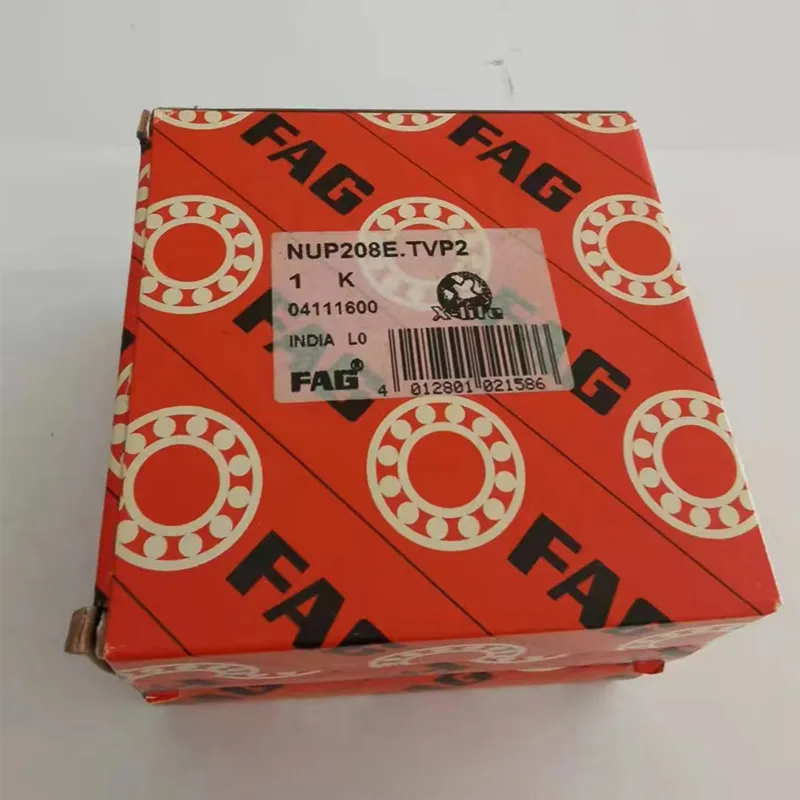
FAG brand bearings
-
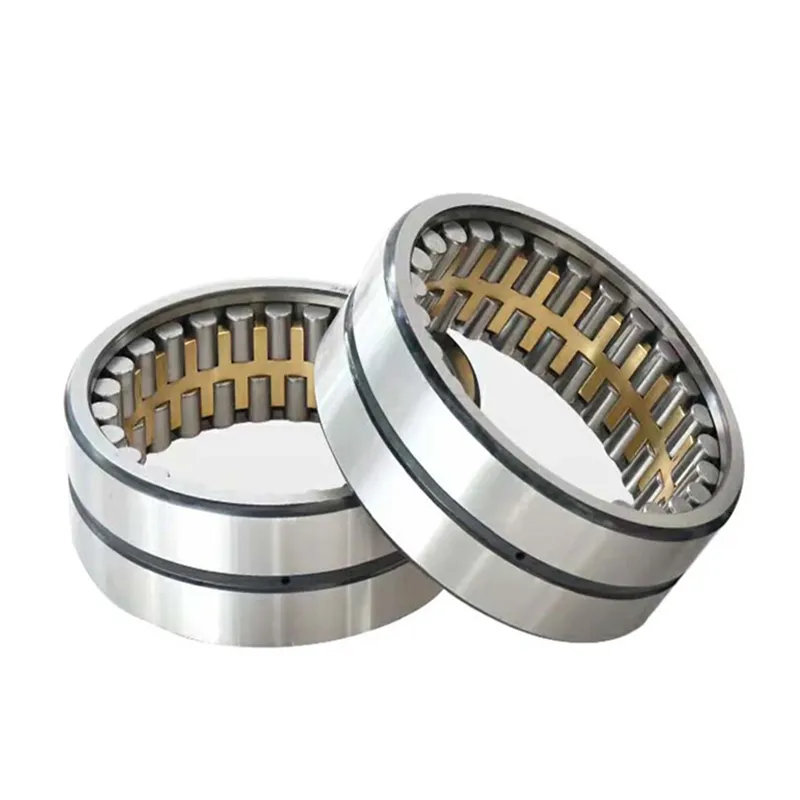
Bearings for metallurgical rolling mills
-
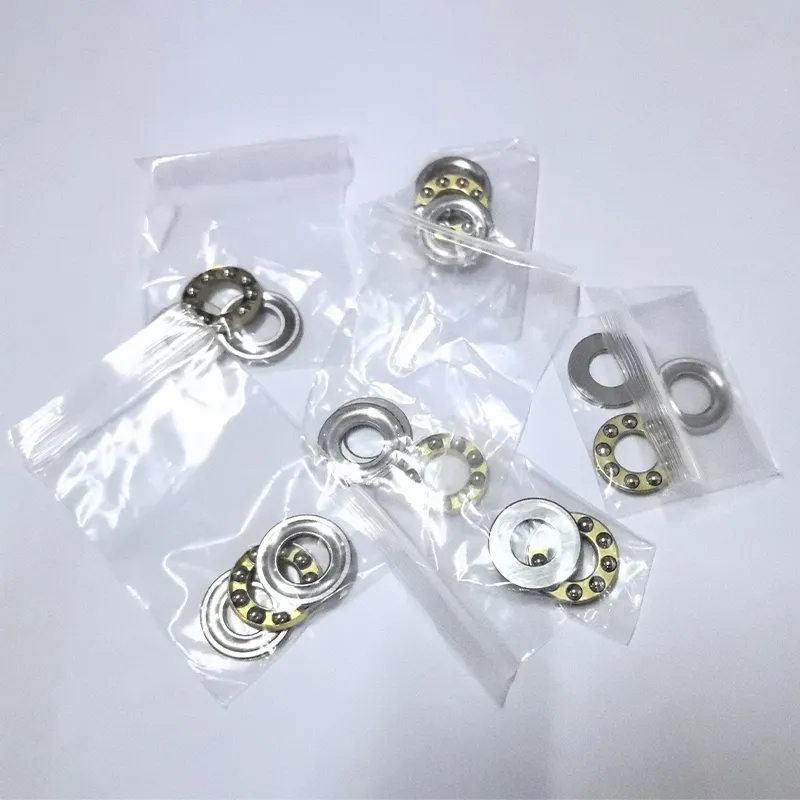
Customized bearings
-
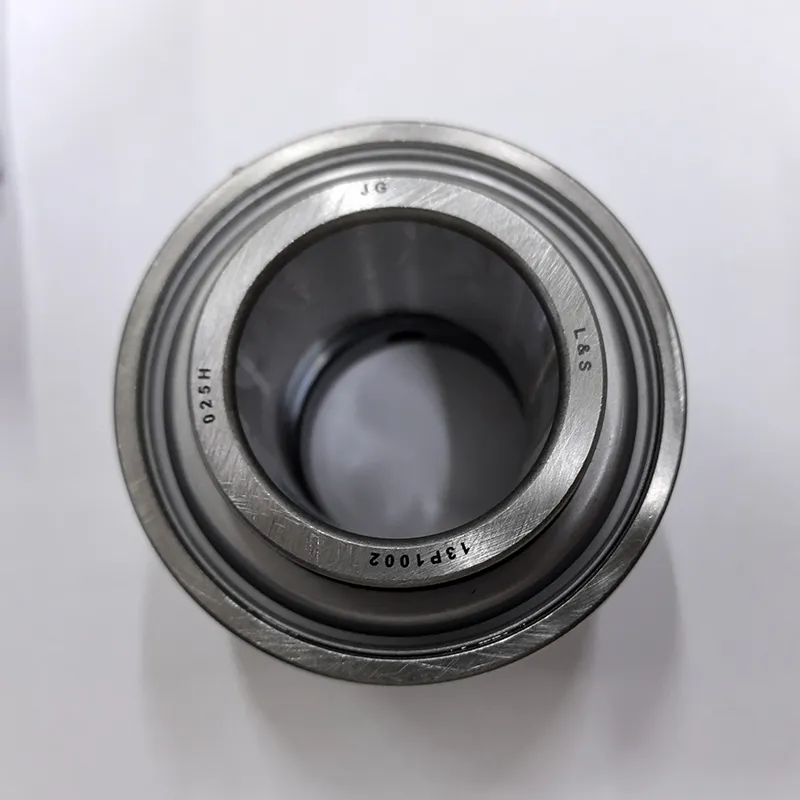
Bearings for agricultural machinery
-
Bearings for UAVs
-
Automotive bearings-Repair steering gear bearings
-
Bearings for robots and manipulators
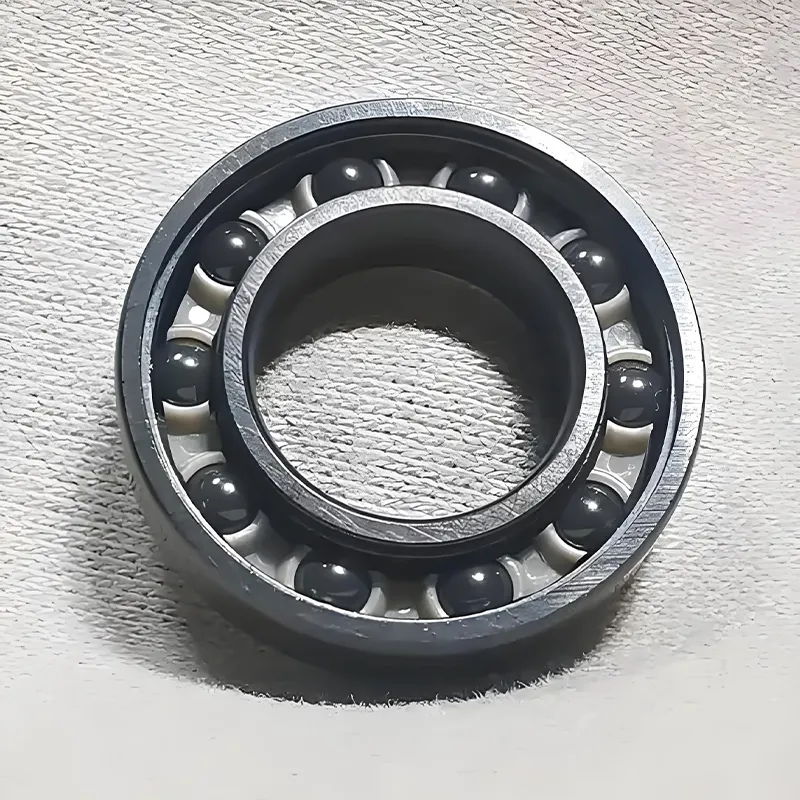
Mountain bike bearings
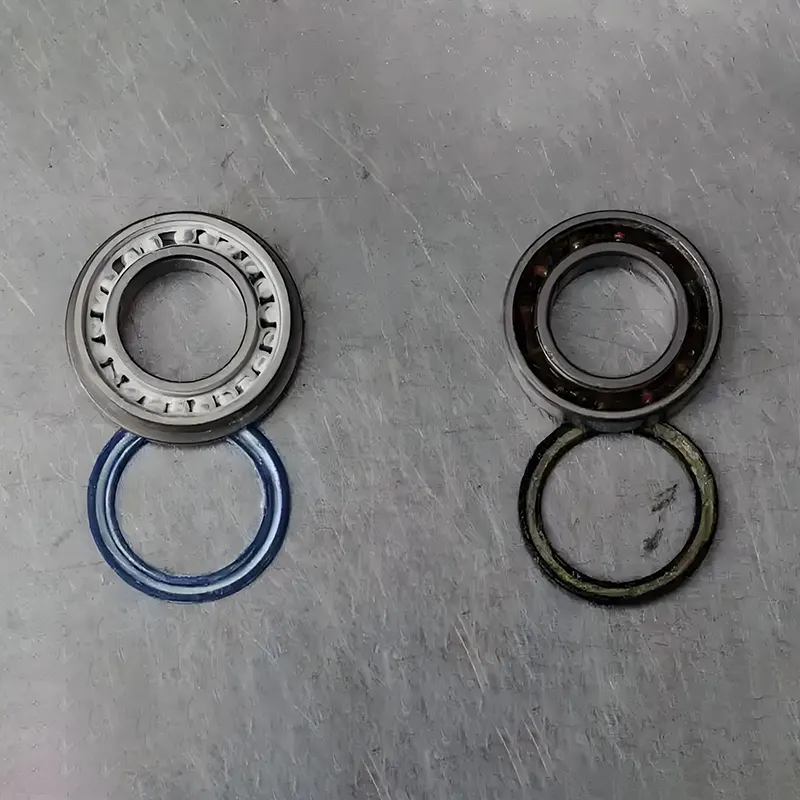
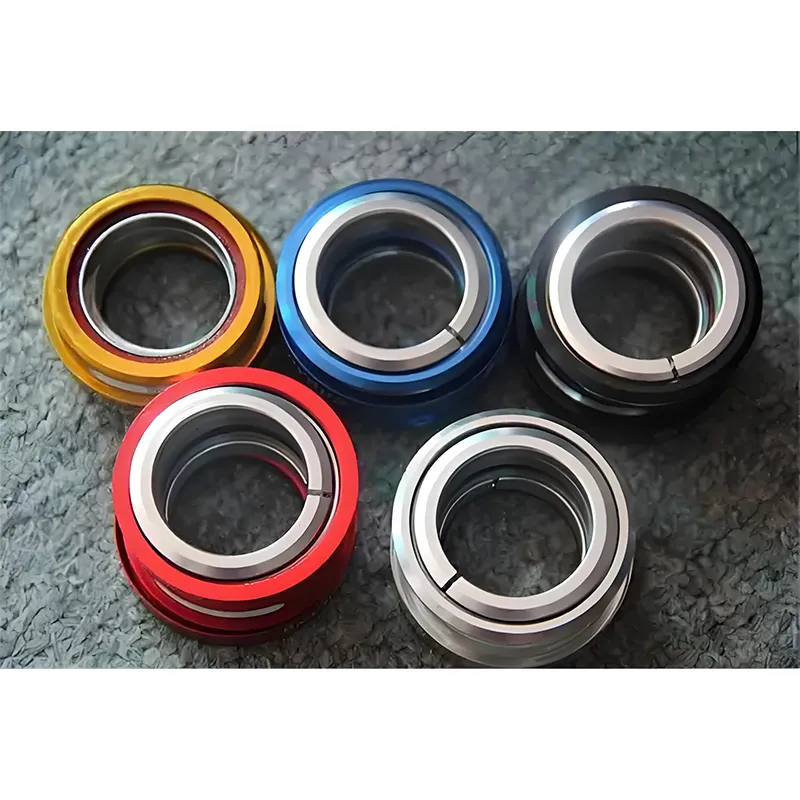
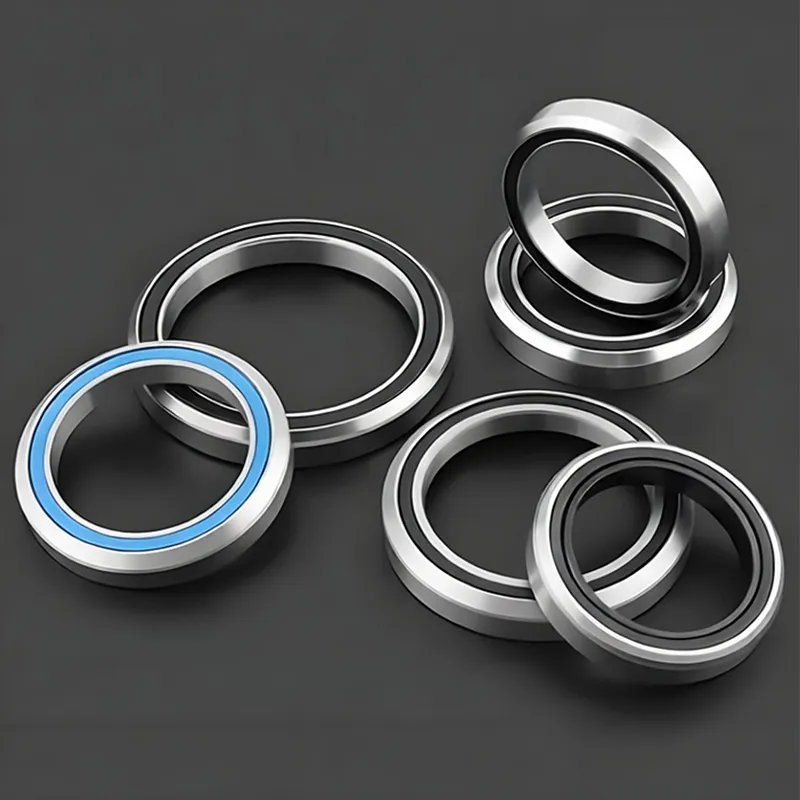
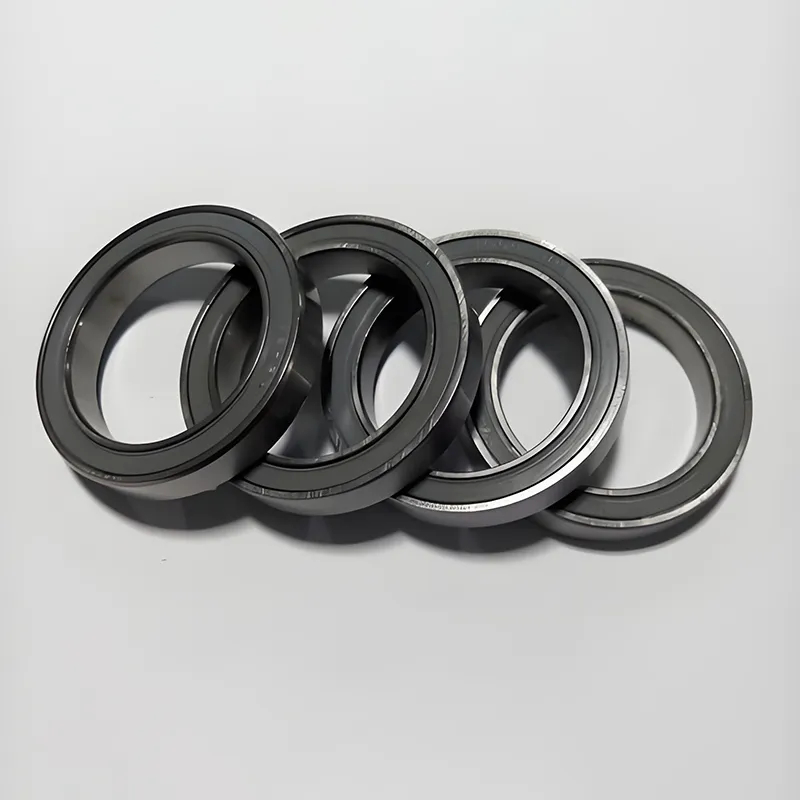
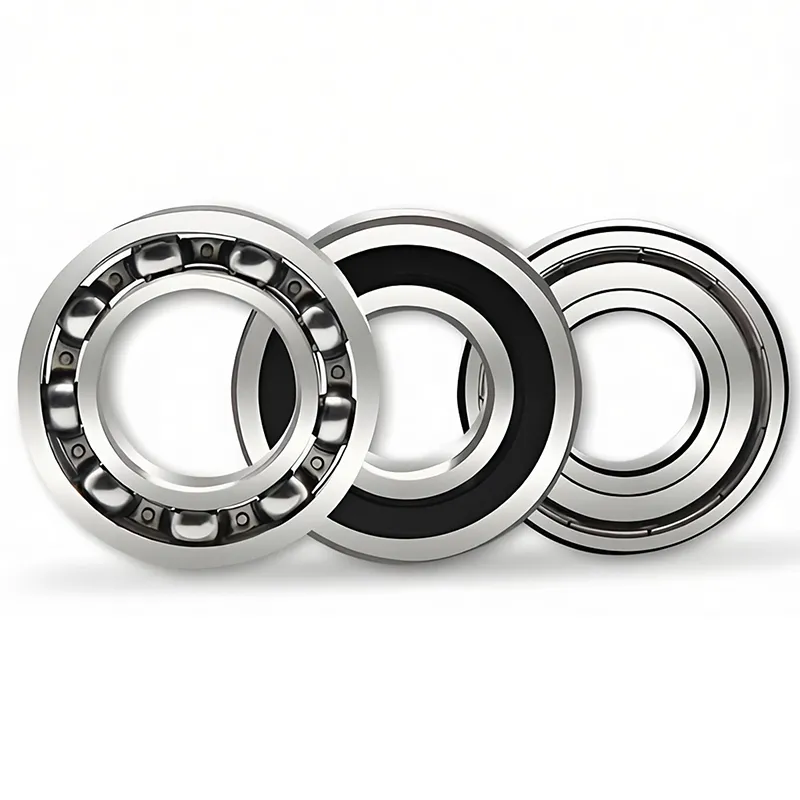
Mountain bike bearings are one of the key components that influence riding comfort. They are usually hidden in components such as bushings, carriages, and steering columns, and although unnoticeable, they perform an important function in reducing friction and ensuring smooth rotation of parts. Knowing the types of bearings, as well as their maintenance and replacement, helps keep your bike in good condition and extends its life.
Description
marker
Product Description
Mountain bike bearings are one of the key components that influence riding comfort. They are usually hidden in components such as bushings, carriages, and steering columns, and although unnoticeable, they perform an important function in reducing friction and ensuring smooth rotation of parts. Knowing the types of bearings, as well as their maintenance and replacement, helps keep your bike in good condition and extends its life.
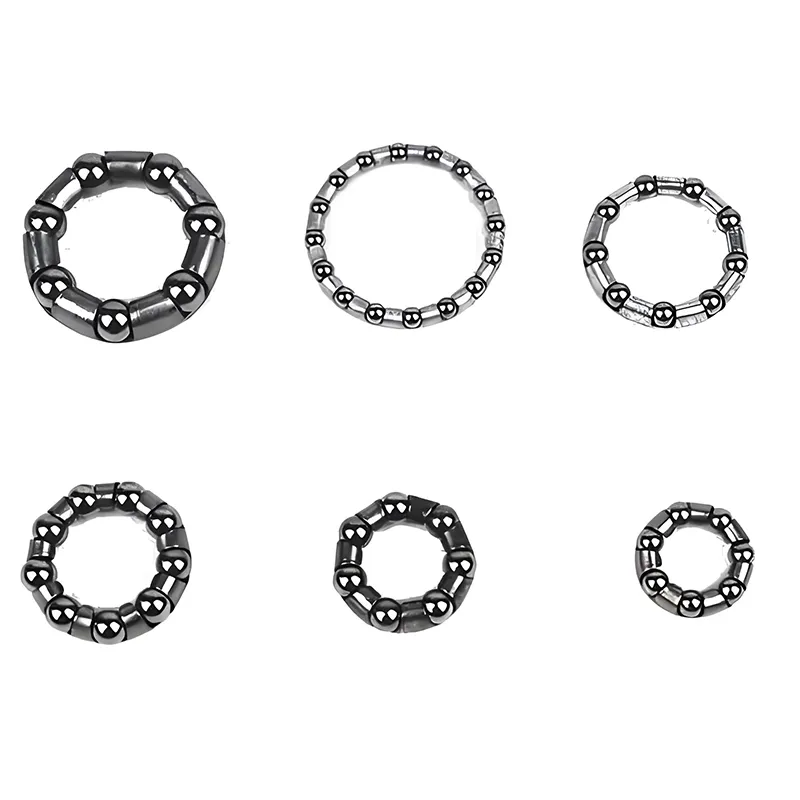
The use of bearings in mountain bikes is very wide. They are mainly distributed over the following components: bushing bearings, which ensure smooth rotation of the wheels around the axis; carriage bearings connecting the drive sprocket to the frame and absorbing loads when pedaling; steering column bearings installed in the steering tube of the frame and ensuring ease of rotation of the fork; as well as pedal bearings and rear suspension joint bearings. All of these bearings work together to ensure smooth operation of all the moving parts of the bike.
Bearings may need to be replaced if they exhibit any of the following symptoms: noticeable dryness, binding, or graininess when rotating; extraneous noise that persists even after cleaning and lubrication; noticeable radial or axial play when rocking the part by hand; Damage to seals, leading to the ingress of dirt and sand. To replace bearings, special tools are required, such as a pressing mandrel, a puller, suitable bushings, etc. When performing work, it is necessary to ensure that the bearing is pressed in parallel to avoid damage due to misalignment. It is extremely important to choose the correct bearing model. To do this, you can refer to the bicycle's instruction manual or measure the dimensions of the old bearing.
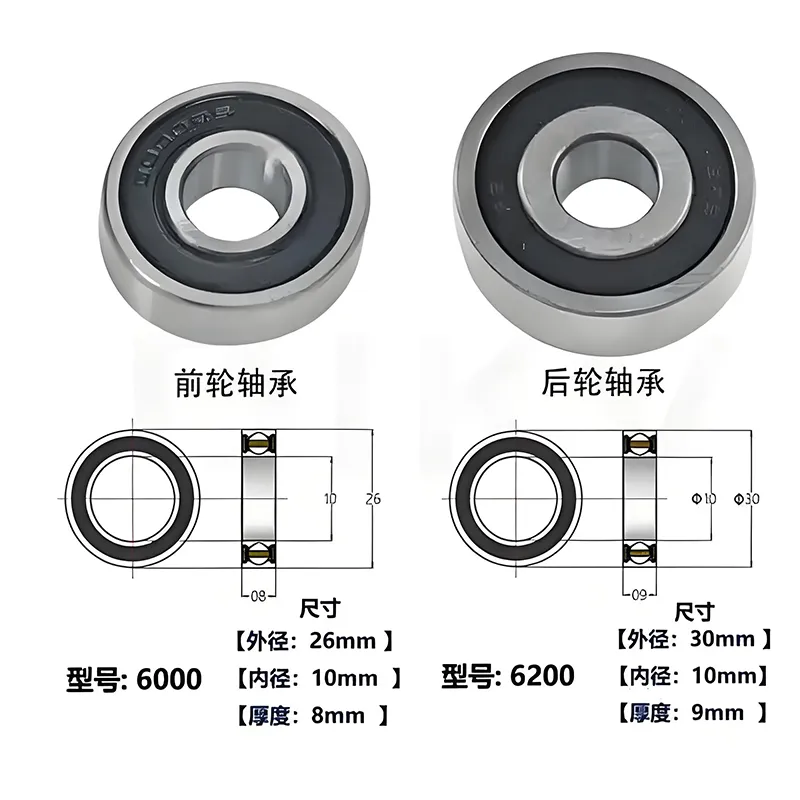
When choosing a replacement bearing, you should pay attention to several parameters. Firstly, these are the dimensions, including the inner diameter, outer diameter and width, which must completely match the original bearing. Secondly, the type of bearing; The most common types are deep groove ball bearings, angular contact bearings and others, used in units with different load requirements. Third, the type of seal: contact seals provide better protection against dust and water, but have slightly higher resistance; non-contact seals create less resistance, but have slightly worse protective properties. Fourth, accuracy class; For bicycles, the usual accuracy class is sufficient, and the use of bearings of a higher class may have little noticeable impact on performance. Fifthly, the material; Chromium steel is common; In conditions of high humidity, stainless steel bearings have better corrosion resistance, but their cost is higher. When choosing, do not overly strive for exotic or rare materials; Standard products from reliable brands are usually the best choice.
Many factors influence bearing life. The operating environment is a key factor: frequent driving in rain, mud and sand accelerates seal aging and internal contamination. Riding style also matters: aggressive off-road riding and jumping create increased shock loads on the bearings. Maintenance habits directly determine the actual life of bearings; Regular maintenance can significantly extend their operating time. Even if the bike is rarely used, long-term storage can cause the grease in the bearings to deteriorate, so a check is required.
Correct installation of bearings is a prerequisite for their normal operation. Before installation, make sure that the seat is clean and free of burrs. Use the special tool to smoothly press the bearing into place. It is strictly forbidden to strike directly on the side surface of the bearing. After installation, check whether it rotates smoothly and is not excessively clamped. For loose ball systems where preload adjustment is provided, patience is required to adjust the assembly until there is no noticeable play while turning smoothly.
Overall, mountain bike bearings are the foundation for a smooth and safe ride. Through regular inspection, proper maintenance, timely replacement and proper operating practices, bearings can be kept in good working order, thereby improving overall ride quality.
1. Mountain bike bearings are a key element in keeping all the moving parts of your bike running smoothly. They are mainly located in critical components such as bushings, bottom bracket, and steering column, and their condition directly affects ride performance and handling.
2. Bearing maintenance focuses on cleaning, lubrication and protection from contamination. If abnormal noise, binding or play is detected, it should be inspected immediately and replaced if necessary using the correct tools and techniques.
3. When choosing replacement bearings, first of all, you should ensure that the dimensions match and the appropriate type, and also take into account the operating conditions and sealing requirements. Regular products from reliable brands will usually satisfy most cyclists' requirements.


contact us
Related Popular Products
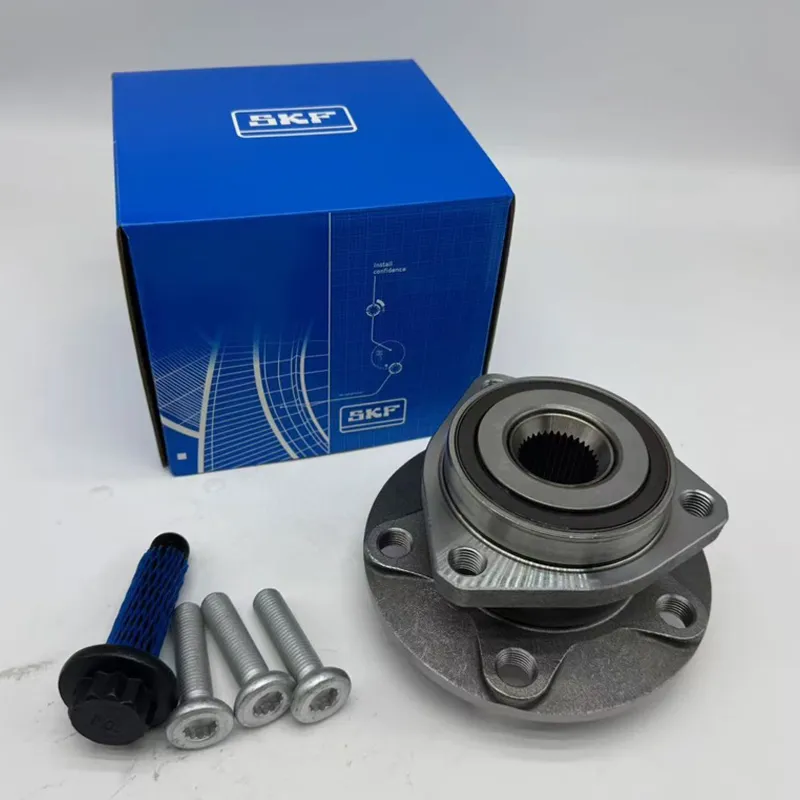
SKF brand bearings
Imported bearings are a concept contrasted with Chinese-made bearings. Imported bearings not only provide strong brand support, advanced scientific concepts and innovation, but also perfect after-sales service and strong expansion of product range.
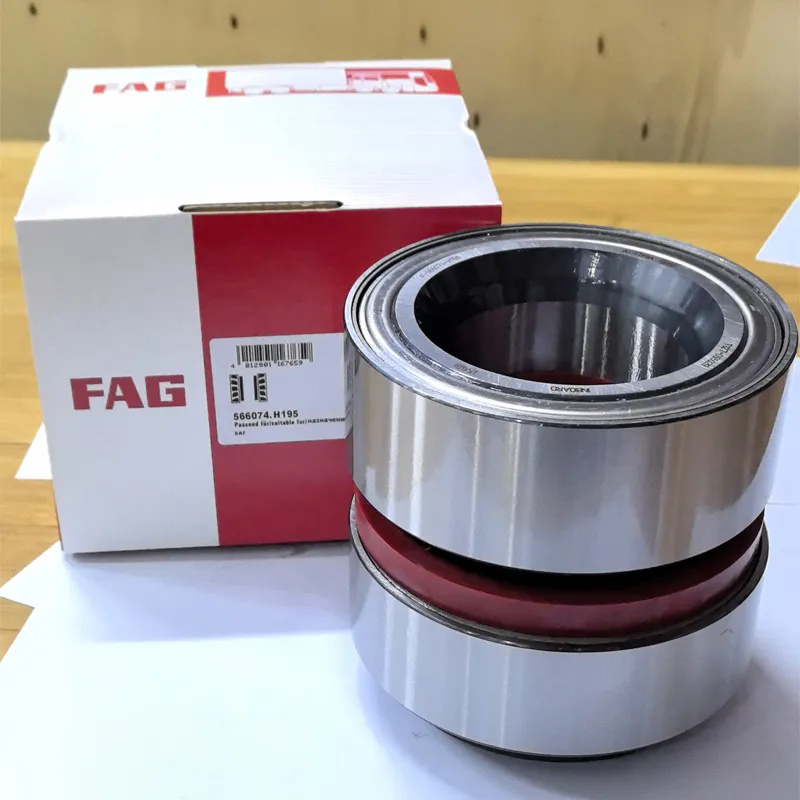
FAG brand bearings
Imported bearings are a concept contrasted with Chinese-made bearings. Imported bearings not only provide strong brand support, advanced scientific concepts and innovation, but also perfect after-sales service and strong expansion of product range.
Customized bearings
It is possible to manufacture bearings of any models and sizes according to individual customer requirements.
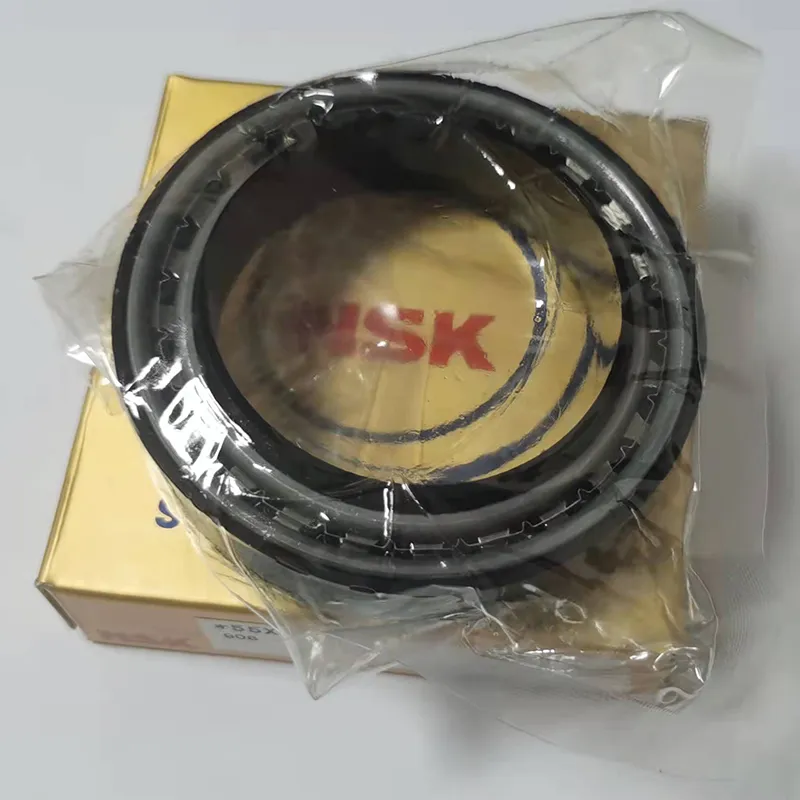
NSK brand bearings
Imported bearings are a concept contrasted with Chinese-made bearings. Imported bearings not only provide strong brand support, advanced scientific concepts and innovation, but also perfect after-sales service and strong expansion of product range.
High speed corrosion resistant bearings
High-speed bearings are rolling bearings whose Dmn value exceeds 1.0×10⁶ mm·rpm. Their performance characteristics are determined by the product of the average diameter Dm and the rotational speed of the inner ring n; They are designed for high precision and high speed applications.
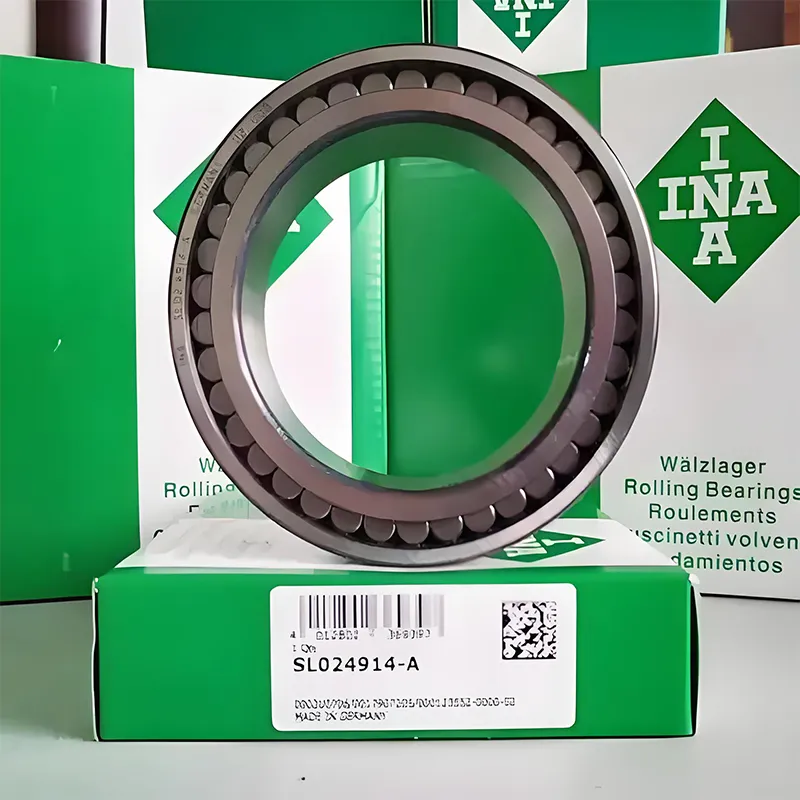
INA brand bearings
Imported bearings are a concept contrasted with Chinese-made bearings. Imported bearings not only provide strong brand support, advanced scientific concepts and innovation, but also perfect after-sales service and strong expansion of product range.
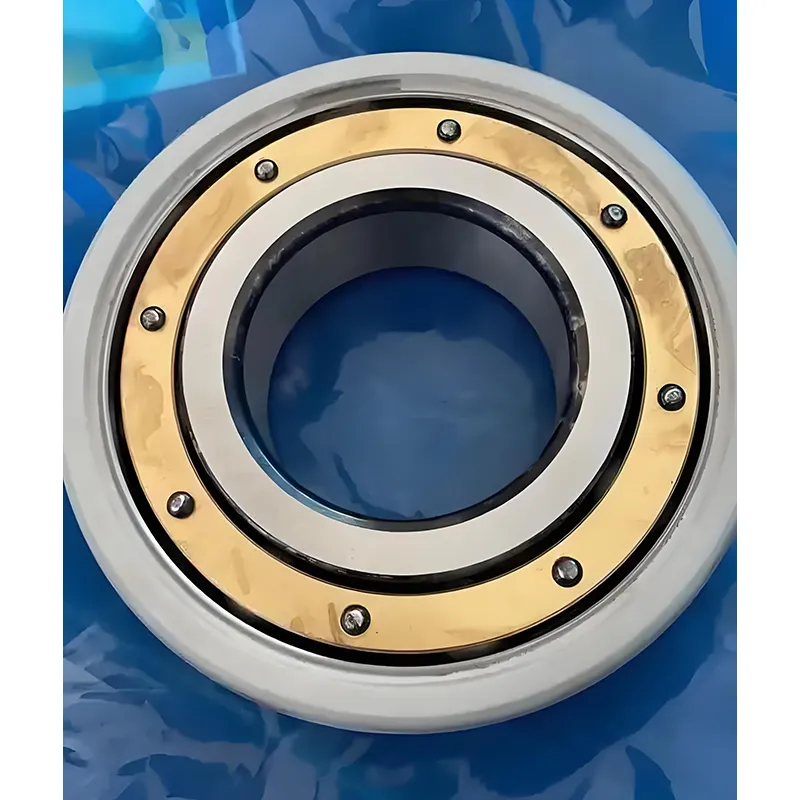
Electrically insulated bearings
Electrically insulated bearings use a special spraying process to apply a high-quality coating to the outer surface of the bearing.
Automotive Bearings-Gearbox Bearings
Transmission bearings are key mechanical components of an automobile transmission, designed to support rotating shafts and reduce friction. If they are damaged, symptoms such as noise, increased temperature, and extraneous sounds in neutral gear appear, which requires timely repair and replacement.
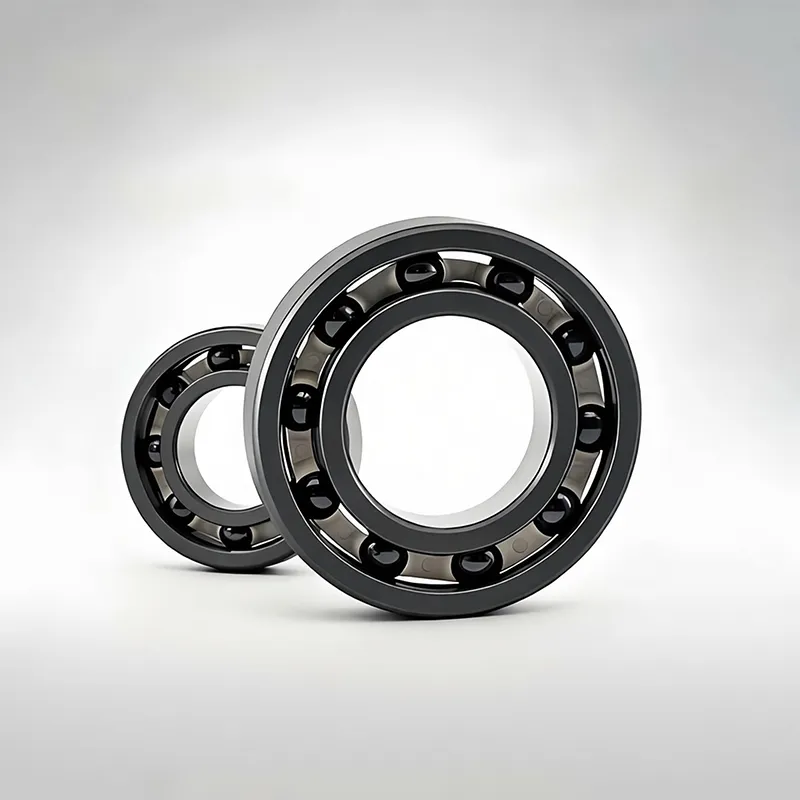
Ceramic bearings with silicon nitride balls
Ceramic ball bearings are industrial bearings in which the rolling elements are ceramic materials. They usually use a combined design of ceramic balls (hot-pressed silicon nitride Si₃N₄ or zirconium dioxide) and metal rings.
Bearings for robots and manipulators
Robot bearings are key components of industrial robots. They are mainly used in manipulator joints, rotary units and precision rotary tables. Their characteristics directly affect the smooth running, repeatable positioning and operational reliability of the robot.
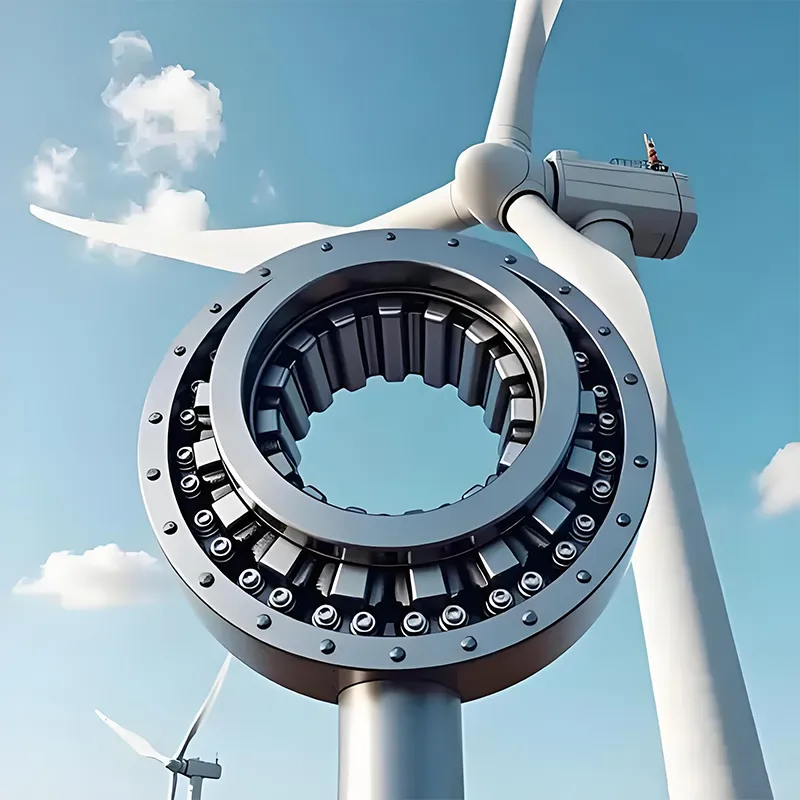
Bearings for wind power
Wind power bearings are key components of wind power plants. Based on their location and function in a wind generator, they are mainly divided into yaw bearings, pitch bearings, main shaft bearings, gearbox bearings and generator bearings.
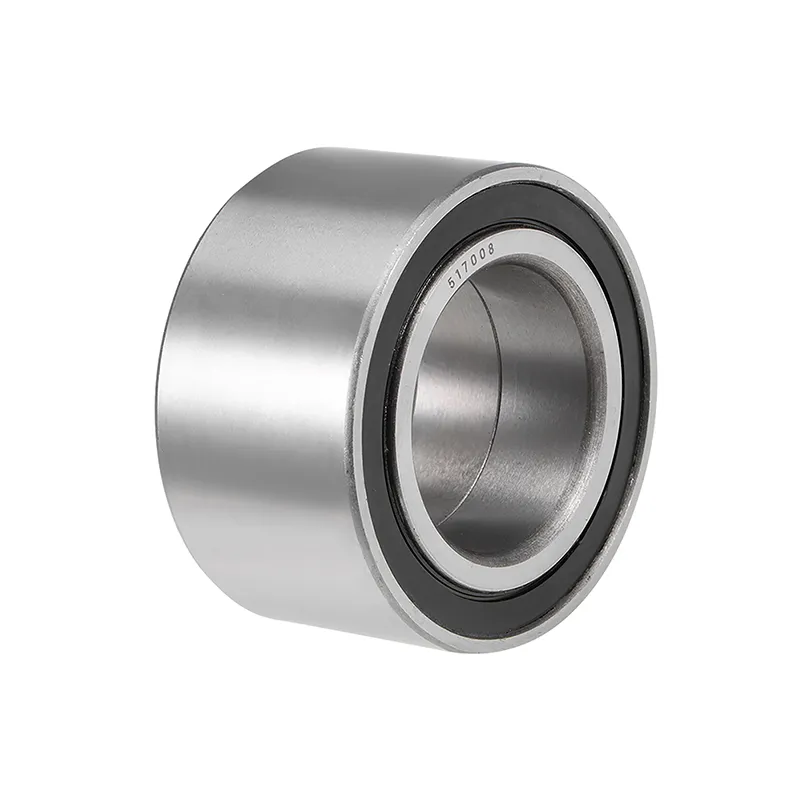
Automotive Bearings-Wheel Bearings
The wheel bearing is one of the key components of a car. Its main function is to carry weight and provide precise direction of rotation of the hub, which requires it to be able to withstand both axial and radial loads.
Bearings for metallurgical rolling mills
Roll bearings are another name for metallurgical rolling mill bearings. They are key components designed to support the mill rolls and keep them in the correct position in the stand. Roll bearings are mainly divided into plain bearings and rolling bearings, and must have the characteristics of low friction, high strength and moderate rigidity.
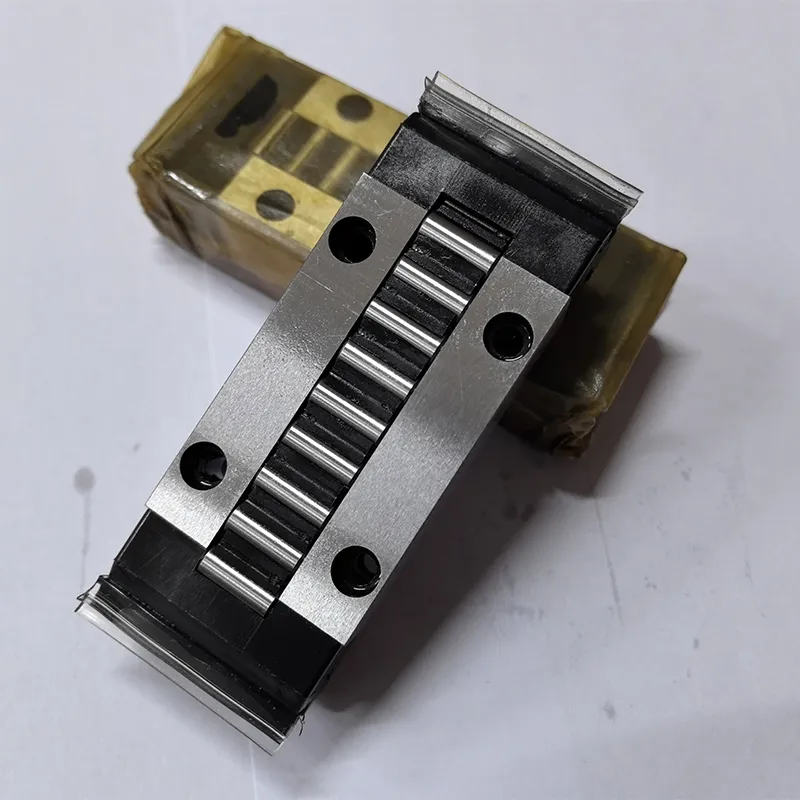
Bearings for linear guides
A linear guide, also known as linear rail, sliding guide and linear guide rail, is a device used to guide mechanical components in a given direction to achieve high-precision, low-friction linear movement.
Bearings for UAVs
Bearings used in unmanned aerial vehicles must meet the requirements of lightness, high rotation speed, low friction and corrosion resistance.
Oilfield bearings
Product range: deep groove ball bearings, cylindrical roller bearings, spherical roller bearings, tapered roller bearings, thrust roller bearings, angular contact ball bearings, thrust ball bearings, oil equipment bearings, railway locomotive bearings, gearbox bearings, hydraulic pump bearings, truck wheel bearings automobiles, rolling mill bearings, split bearings, precision bearings for machine tools, as well as a range of metric and inch precision bearings.