+86-13073105066
admin@longshubearing.com



Bearings for Robotics: Ensuring Highly Efficient, Precise and Stable Motion Control
2026-05-29
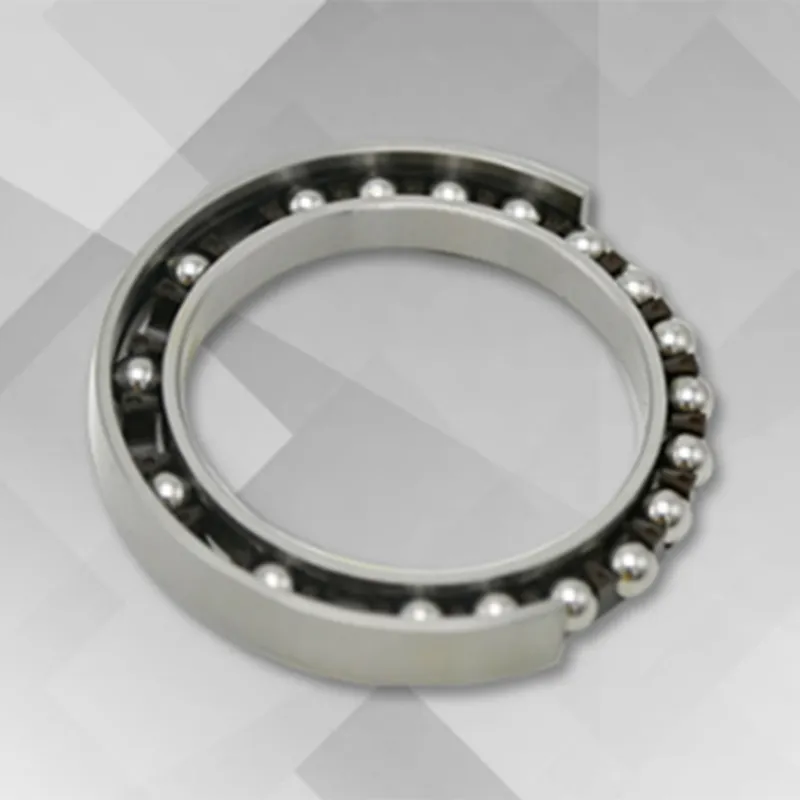
In recent years, robotics has been increasingly used: from industrial manufacturing to service robots, precise motion control is required. Bearings, being one of the key elements of the motion transmission system, play a decisive role in controlling the movement of robots.
To meet the diverse bearing requirements of robotics, the industry is constantly introducing new developments and innovations.
The main characteristics of robotics bearings are high speed, high precision and high reliability.
As for high speed, robots require fast rotation and movement during operation, so the bearings must have high rotation speed and high rigidity to withstand high speed rotation and frequent shock loads.
Regarding high precision, robots require precise control of position and motion, so the bearings must have high precision and stability to ensure the precision of the robot.
Regarding high reliability, bearings are key components of robots, and their quality and reliability directly affect the service life and safety of robots.
Therefore, bearings for robotics must have high wear resistance, corrosion resistance and fatigue resistance. As the application of robotics continually expands and develops, bearing technology is also constantly being improved and updated. For example, the use of high-strength materials and special coating technologies can improve the corrosion resistance and fatigue strength of bearings. The use of advanced processing technologies and precision measuring equipment allows bearings to be manufactured with even greater precision. At the same time, the use of big data and artificial intelligence technologies opens up new approaches and tools for the development and production of bearings for robotics. The development and application of bearings for robotics not only provides a solid foundation for progress in the field of robotics, but also gives new impetus to the development of areas such as smart manufacturing and smart services. In the future, as new technologies and materials become available, robotic bearing technology will evolve toward greater precision, speed, and reliability, providing an even stronger foundation for continued expansion and innovation in the robotics field.