
+86-13073105066
admin@longshubearing.com



Products
-
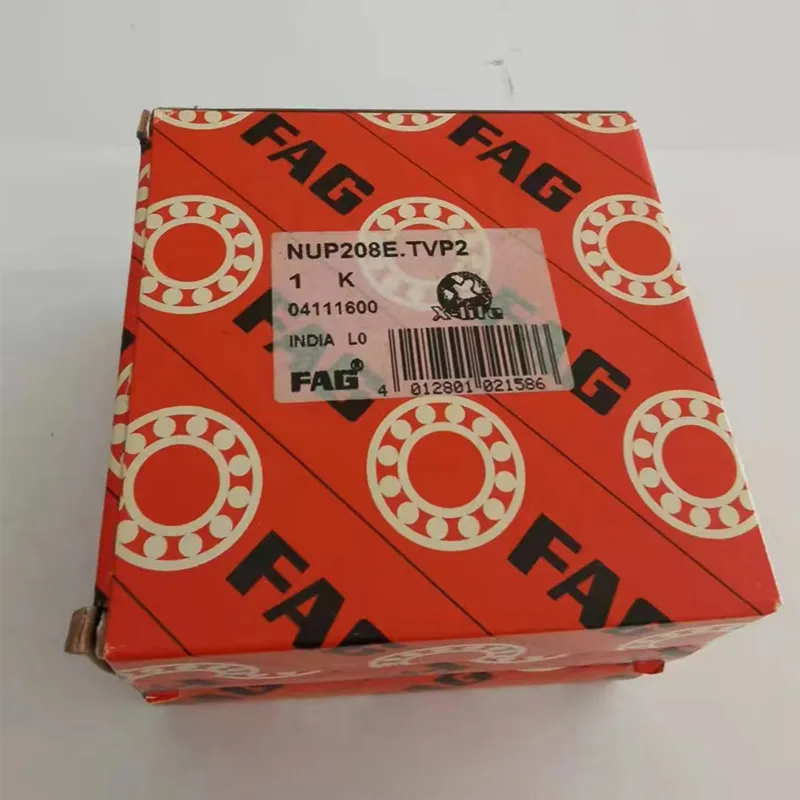
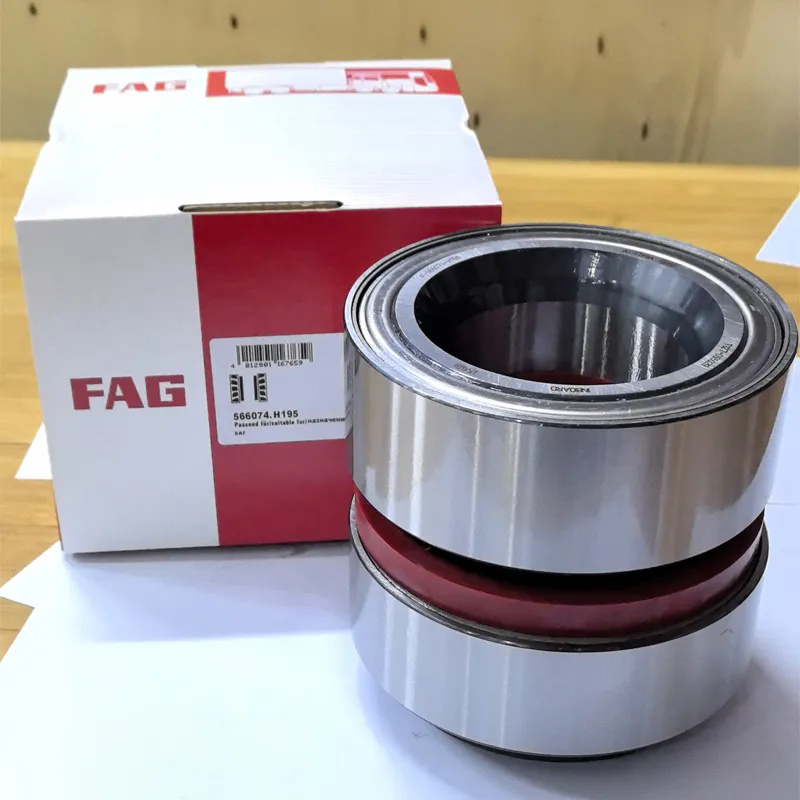
FAG brand bearings
-
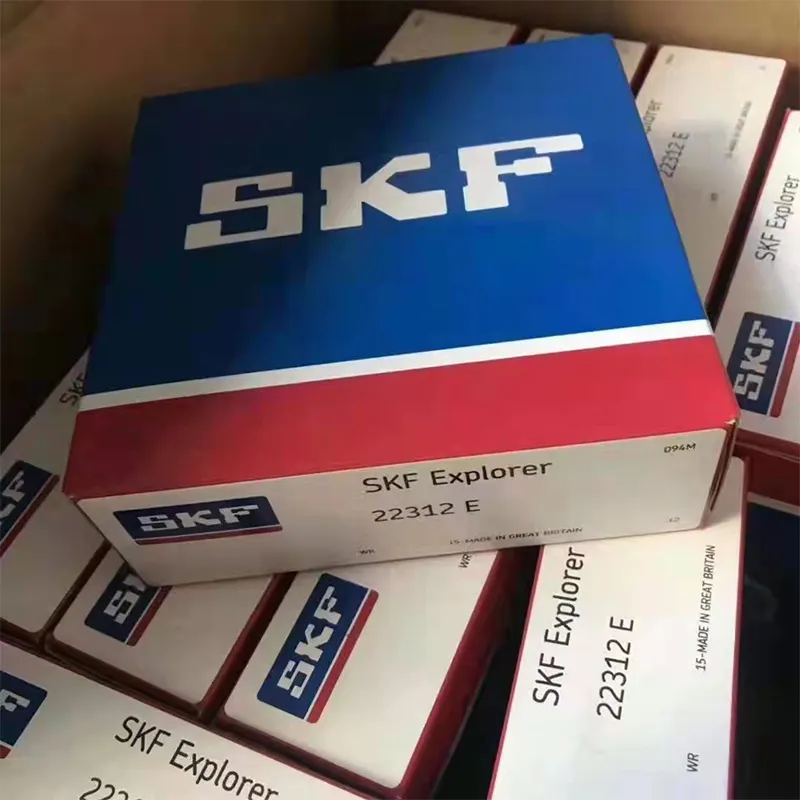
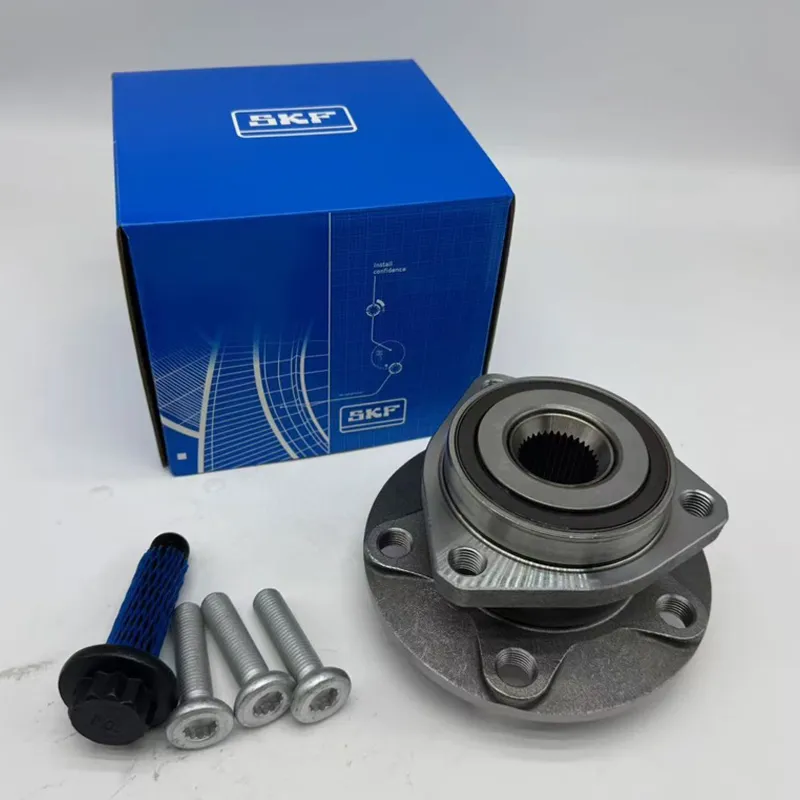
SKF brand bearings
-
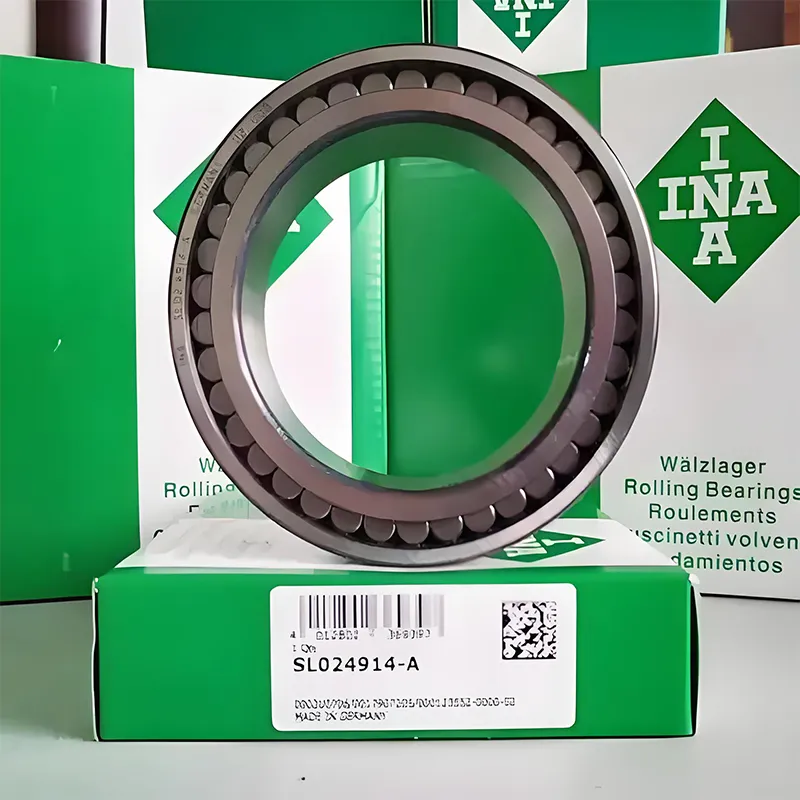
INA brand bearings
-
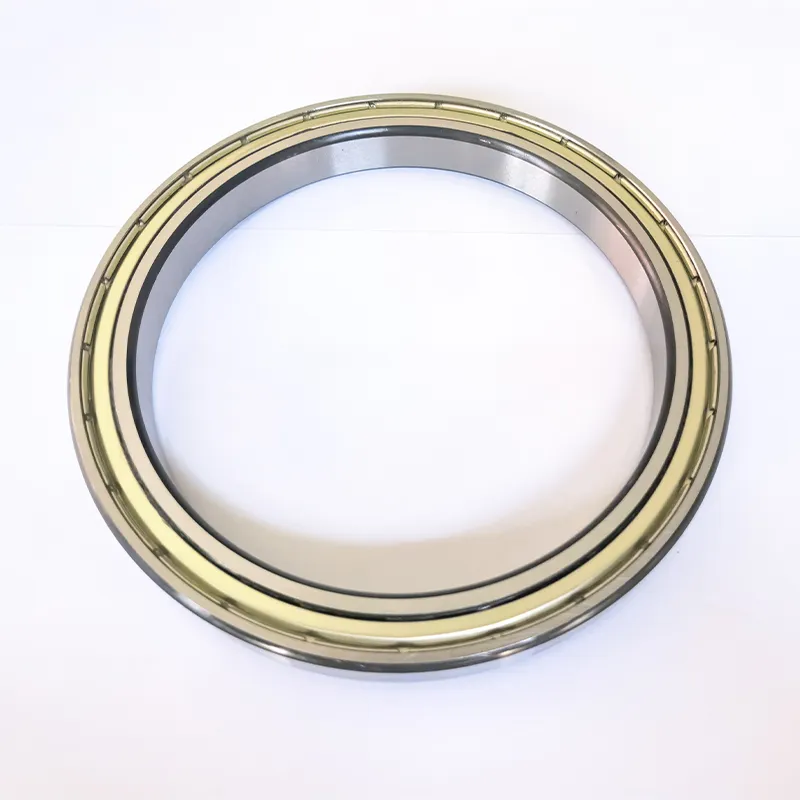
Bearings for robots and manipulators
-
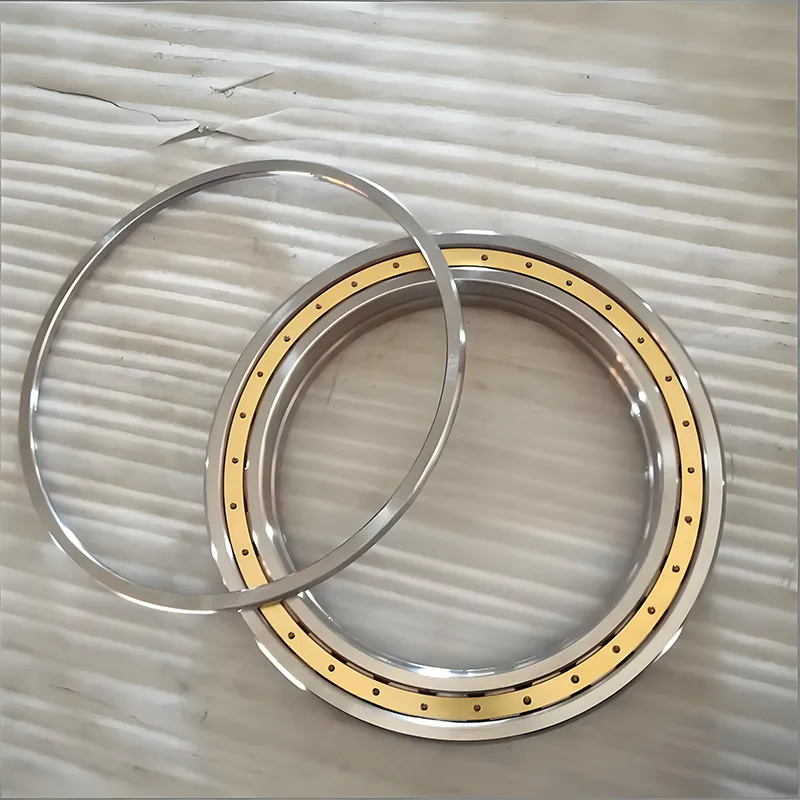
Oilfield bearings
-
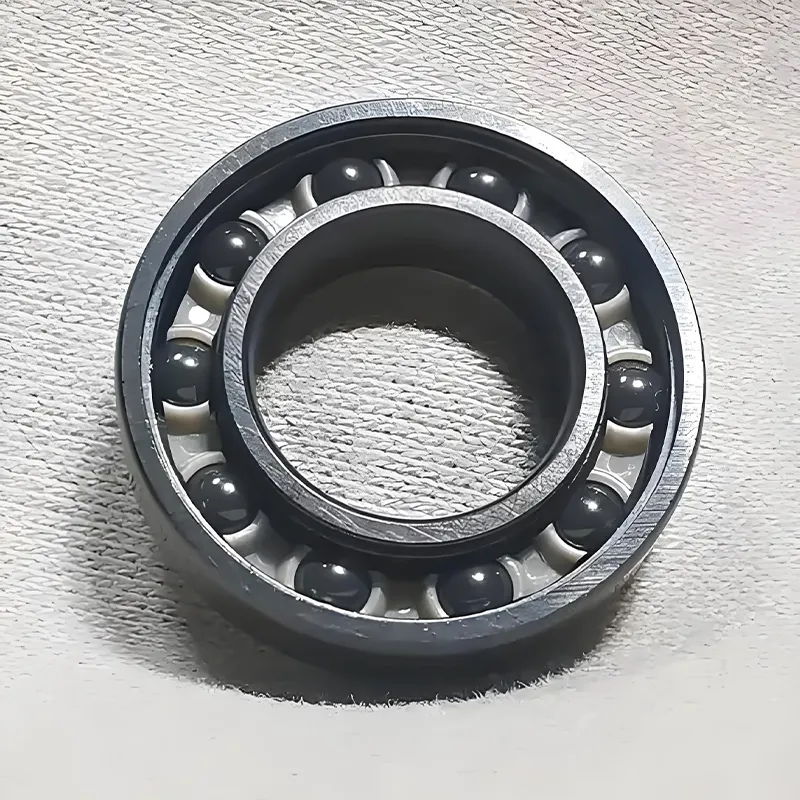
Mountain bike bearings
-
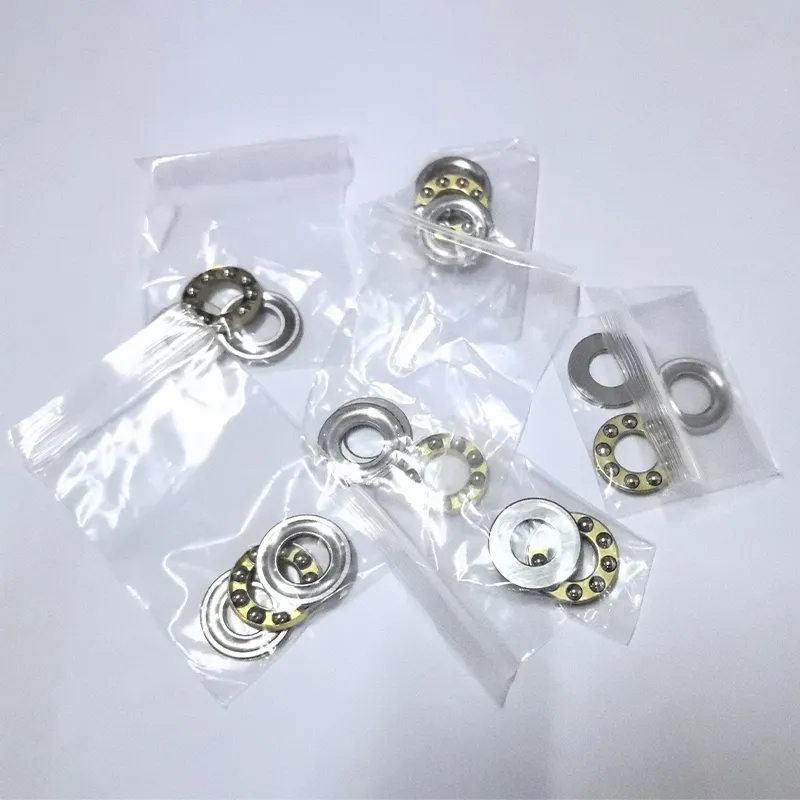
Customized bearings
-
Stainless steel bearings
-
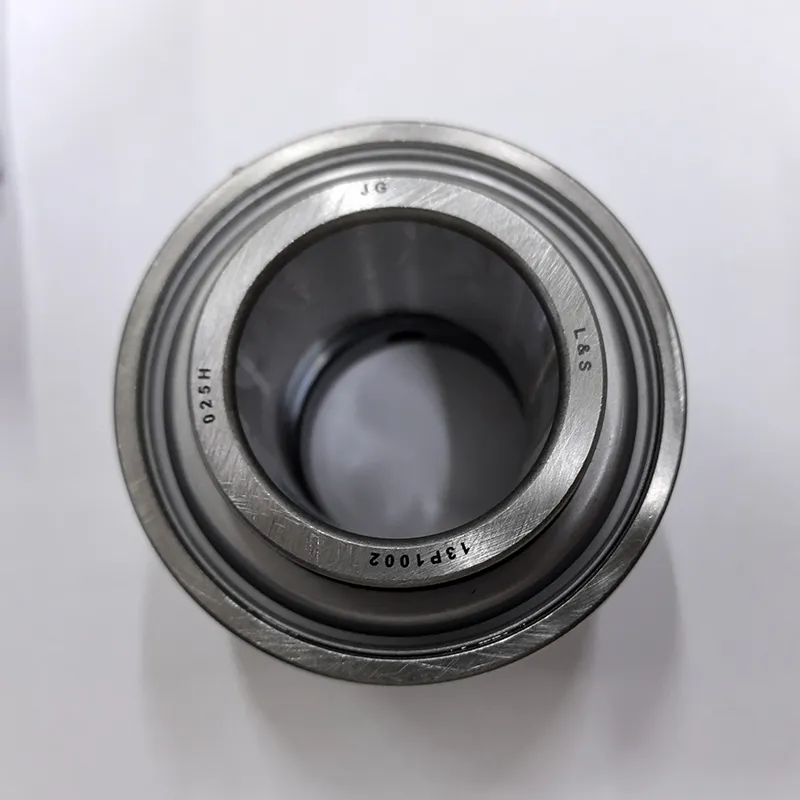
Bearings for agricultural machinery
-
Ceramic bearings with silicon nitride balls
-
Bearings for UAVs
-
NSK brand bearings
-
Bearings for metallurgical rolling mills
-
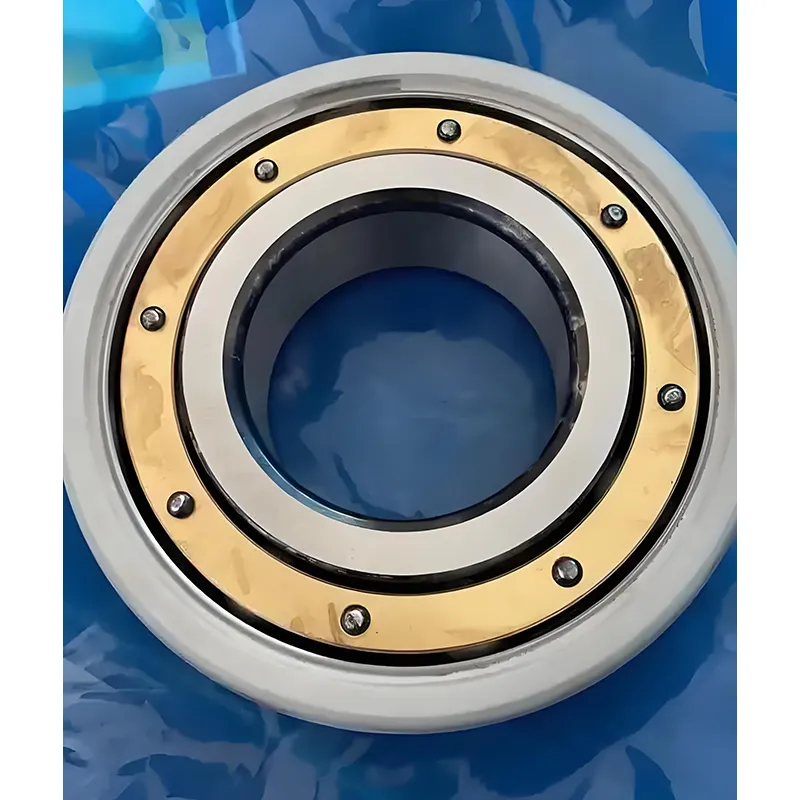
Electrically insulated bearings
-
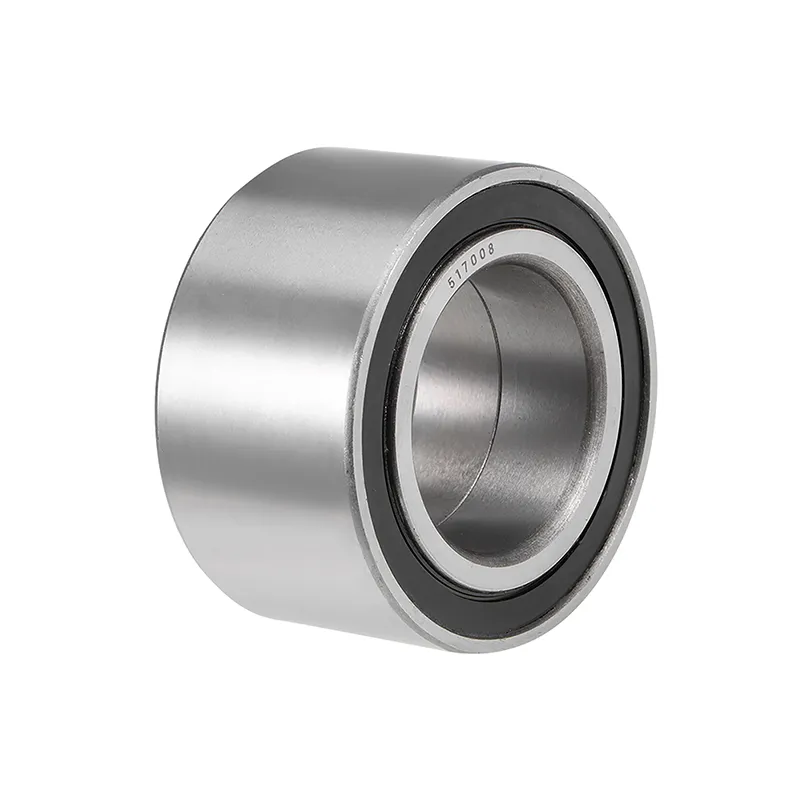
Automotive Bearings-Wheel Bearings
-
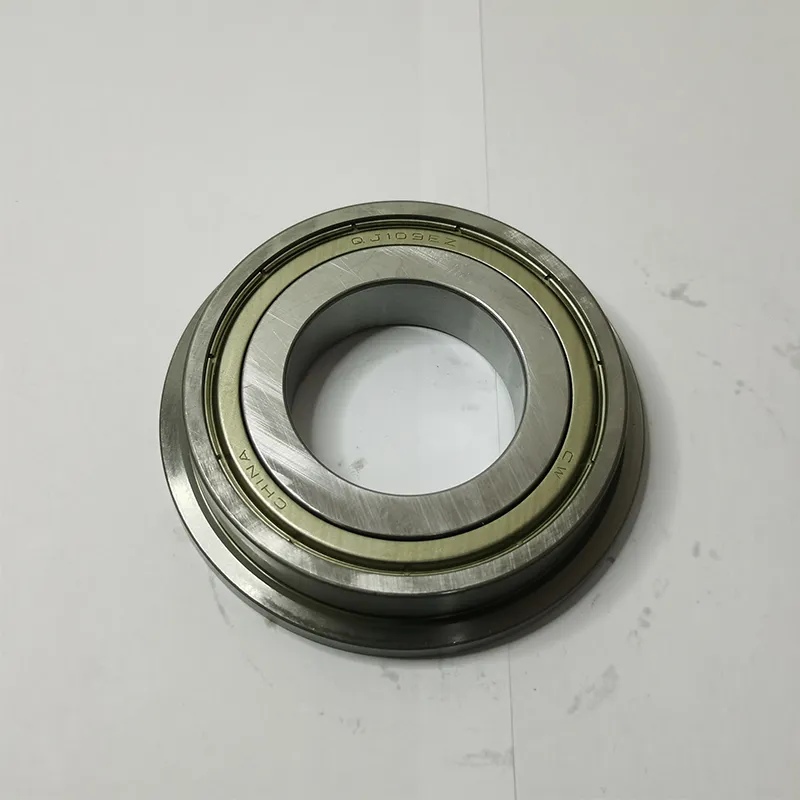
Automotive bearings-Repair steering gear bearings
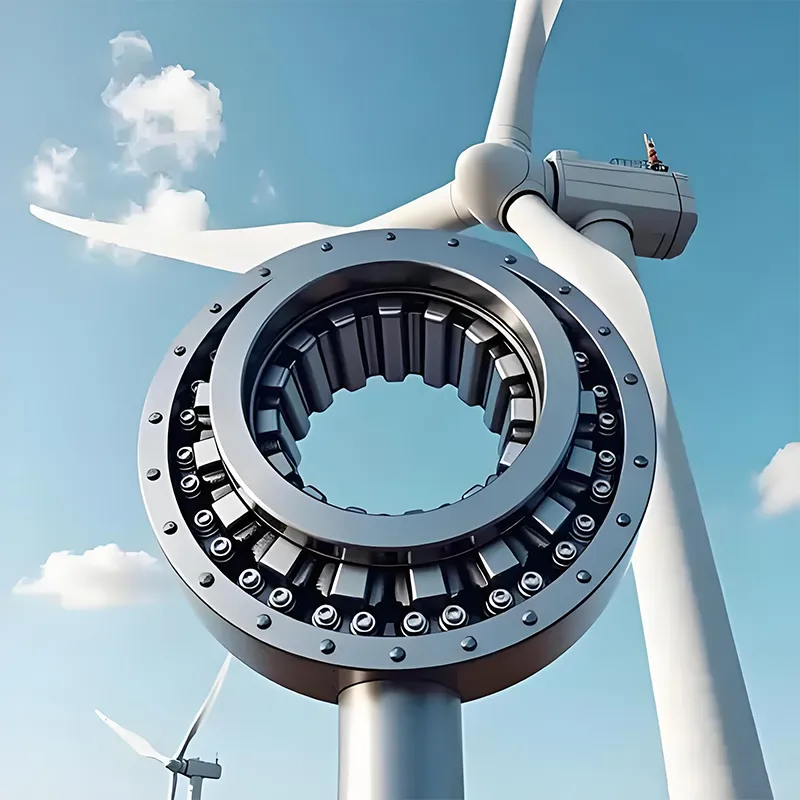
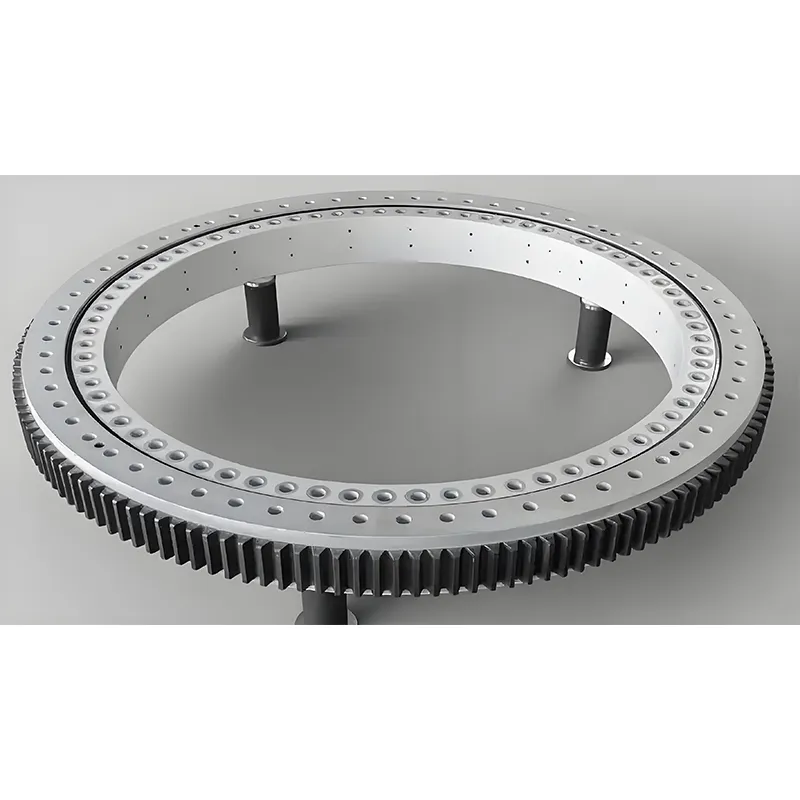
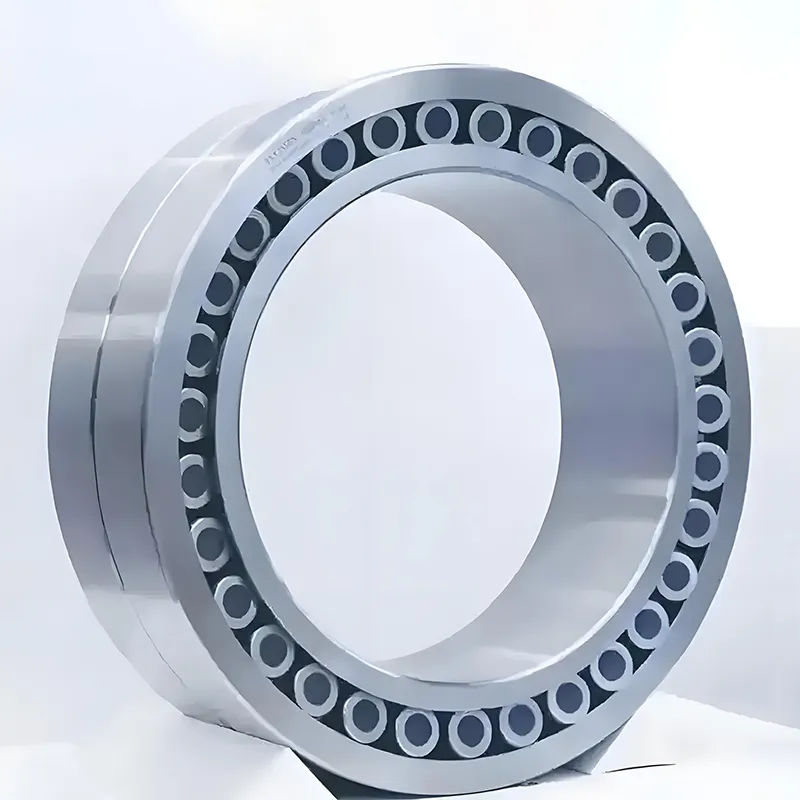
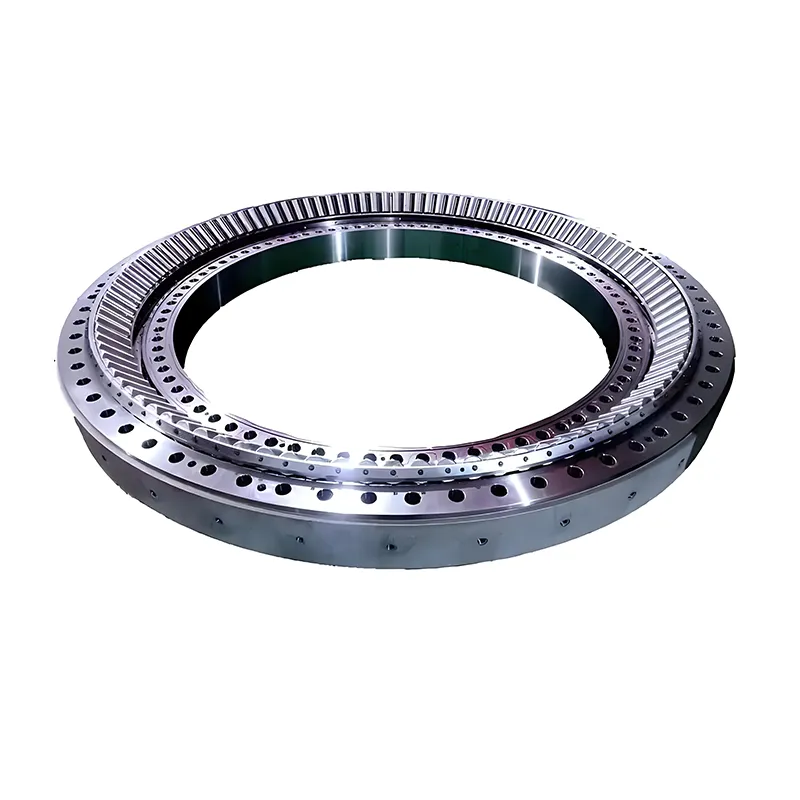
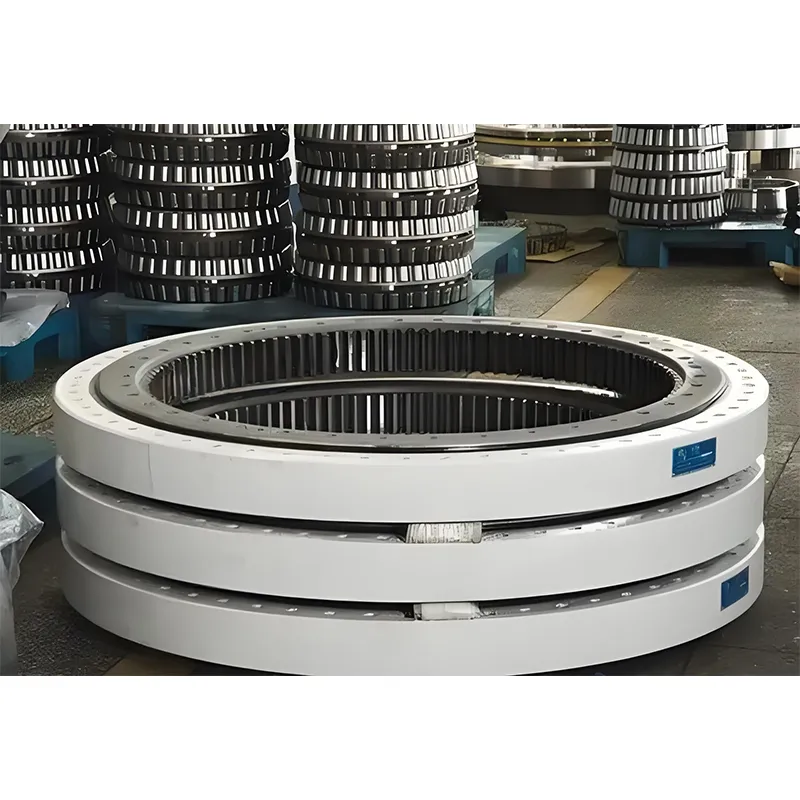
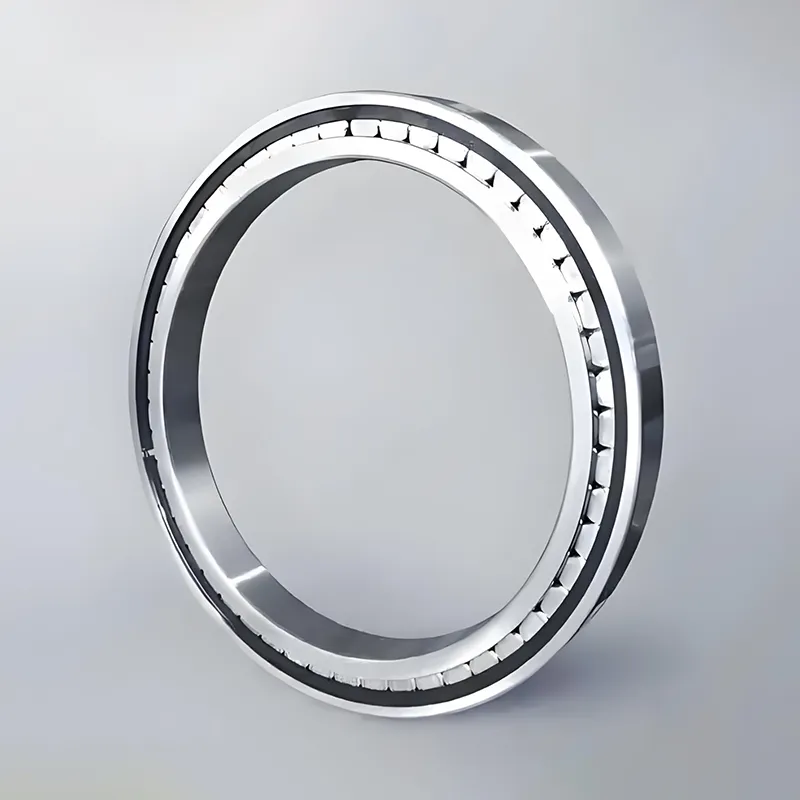
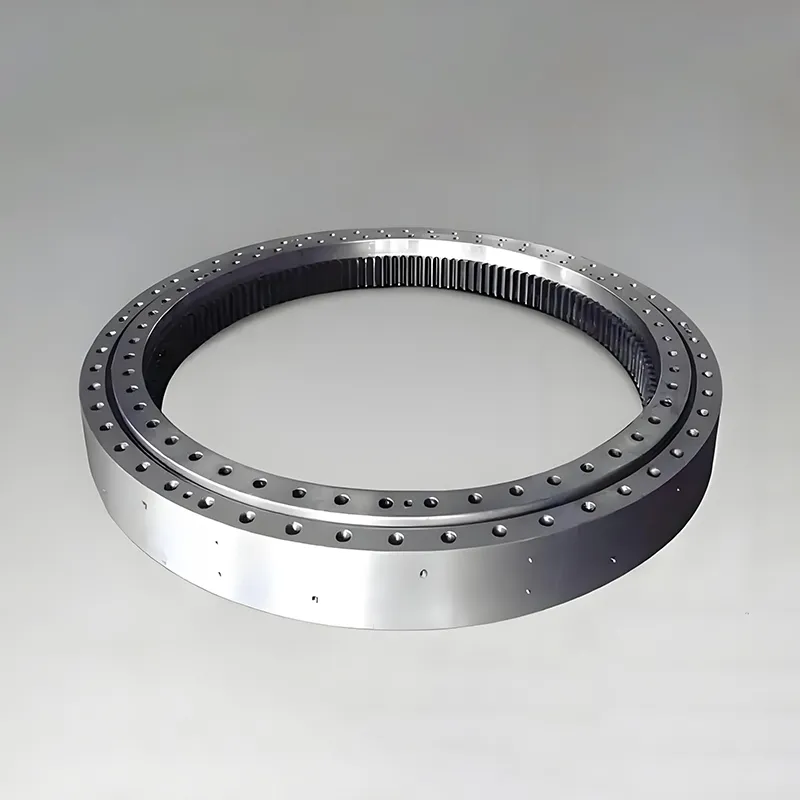
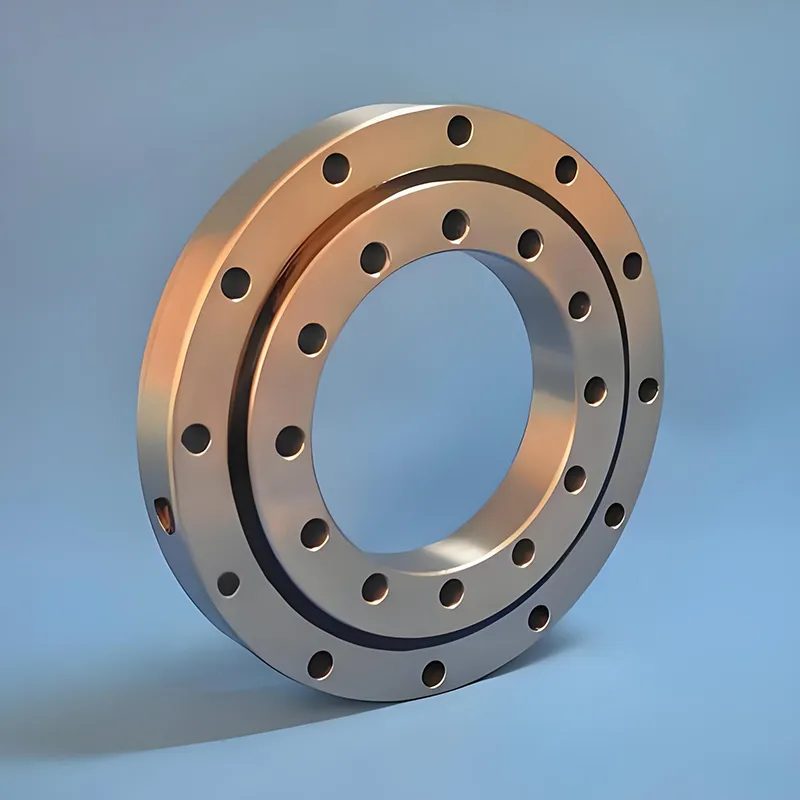
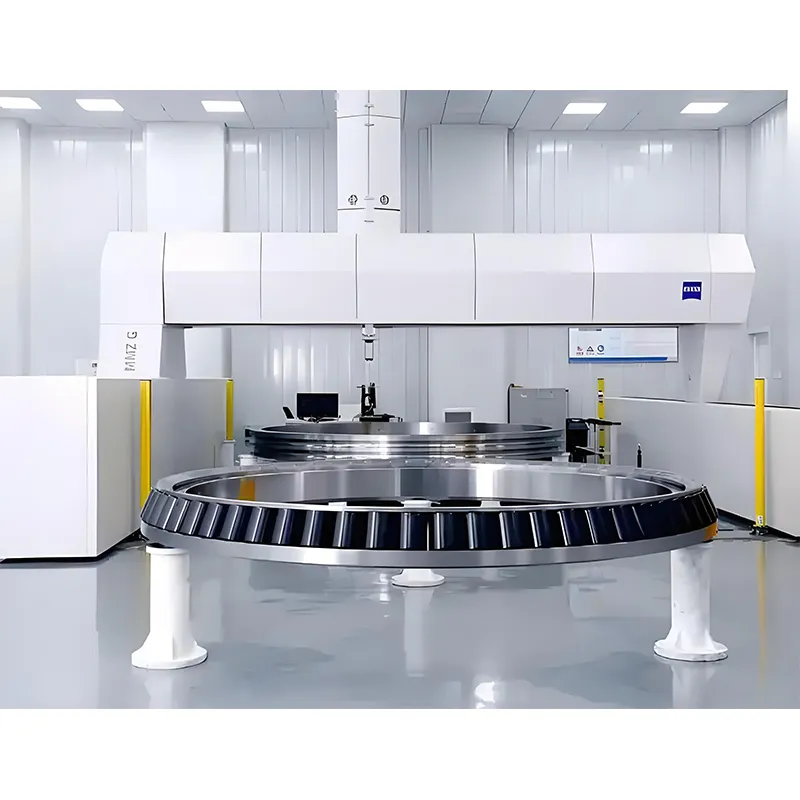
Bearings for wind power
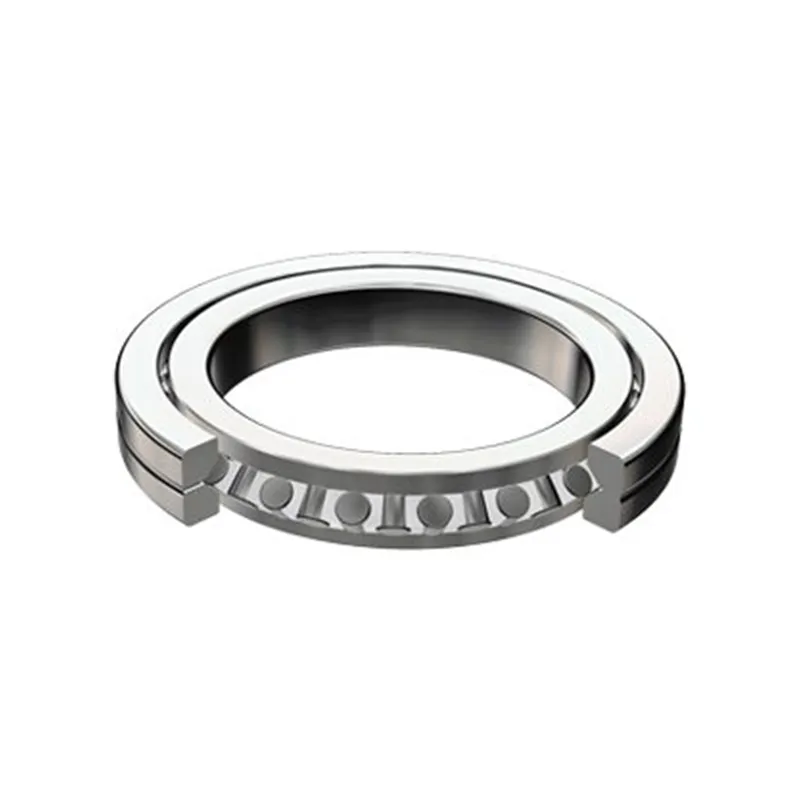
Wind power bearings are key components of wind power plants. Based on their location and function in a wind generator, they are mainly divided into yaw bearings, pitch bearings, main shaft bearings, gearbox bearings and generator bearings.
Description
marker
Product Description
Wind power bearings are key components of wind power plants. Based on their location and function in a wind generator, they are mainly divided into yaw bearings, pitch bearings, main shaft bearings, gearbox bearings and generator bearings. The range of bearings includes many standard sizes and models. Based on the type of equipment supplied, bearings are divided into bearings for wind energy, bearings for road construction equipment, automobile bearings, bearings for machine tools, railway bearings, bearings for metallurgical and mining equipment, etc. Bearings used in wind power plants include: yaw bearings (serve to connect the nacelle and tower, tracking the direction of the wind), pitch bearings (connect the blades and hub, regulate the angle of the blades), main shaft bearings (main shaft support, power transmission), gearbox (multiplier) bearings, generator bearings. The average number of bearings per wind generator: yaw bearing - 1 set, pitch bearings - 3 sets, main shaft bearings - 2 sets, generator bearings - 3 sets. Taking into account the gearbox bearings, the average number of bearings per wind generator can reach 27 sets. The main shaft bearing is the key and most critical component. Common types include spherical roller bearings (SRB, mainly used in double-feeder machines and machines up to 5 MW), tapered roller bearings (TRB), and three-row cylindrical roller bearings (CRB, mainly used in high-power gearless and semi-gearless machines). The independent pitch system, by separately dynamically adjusting the angle of rotation of each of the three blades, allows each blade to occupy a different target position, reducing the dynamic balancing load. Independent pitch bearings have the potential to become an industry trend. Bearings for wind energy are characterized by a high degree of customization, high requirements for reliability, the need for anti-corrosion and moisture resistance (especially for marine applications), safety and maintainability. Their operating conditions are difficult, the cost of repairs is high, and extremely high demands are placed on service life.
Production technology
1. It is necessary to control the forging temperature to avoid the growth of large grains;
2. It is necessary to control the process of thermal improvement (hardening with high tempering), ensuring the required core structure after thermal improvement, which guarantees mechanical properties;
3. Control of the depth of the surface hardened layer during hardening with high-frequency particles;
4. Preventing the formation of surface microcracks.


contact us
Related Popular Products
FAG brand bearings
Imported bearings are a concept contrasted with Chinese-made bearings. Imported bearings not only provide strong brand support, advanced scientific concepts and innovation, but also perfect after-sales service and strong expansion of product range.
SKF brand bearings
Imported bearings are a concept contrasted with Chinese-made bearings. Imported bearings not only provide strong brand support, advanced scientific concepts and innovation, but also perfect after-sales service and strong expansion of product range.
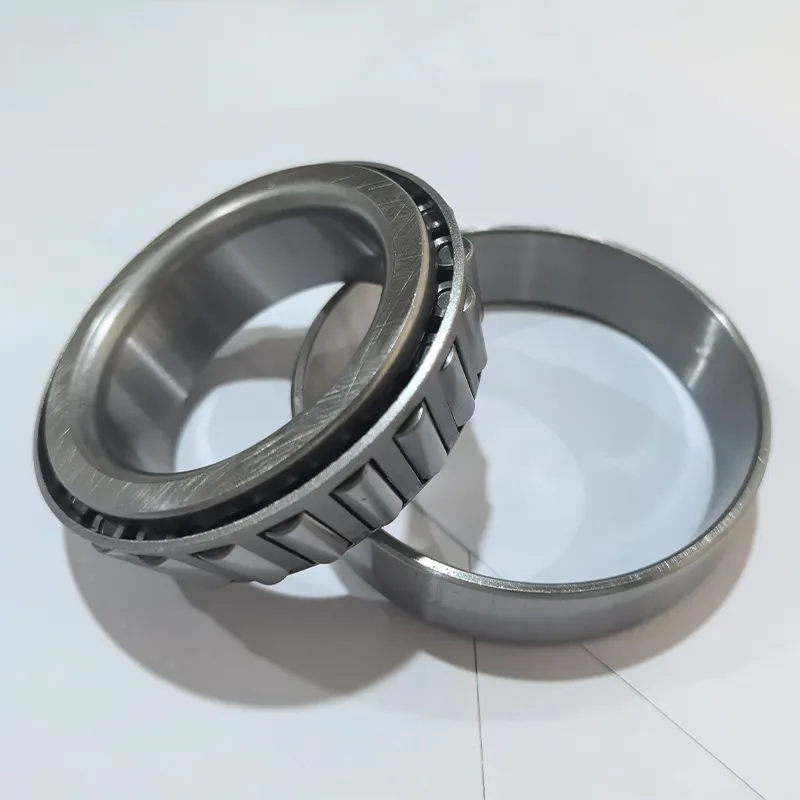
Automotive Bearings-Gearbox Bearings
Transmission bearings are key mechanical components of an automobile transmission, designed to support rotating shafts and reduce friction. If they are damaged, symptoms such as noise, increased temperature, and extraneous sounds in neutral gear appear, which requires timely repair and replacement.
NSK brand bearings
Imported bearings are a concept contrasted with Chinese-made bearings. Imported bearings not only provide strong brand support, advanced scientific concepts and innovation, but also perfect after-sales service and strong expansion of product range.
Automotive bearings-Repair steering gear bearings
Steering gear bearing is a key component of the steering system of an automobile, belongs to the category of steering system bearings, mainly used in the internal structure of the steering wheel of motor vehicles, and has the main function of supporting the steering gear.
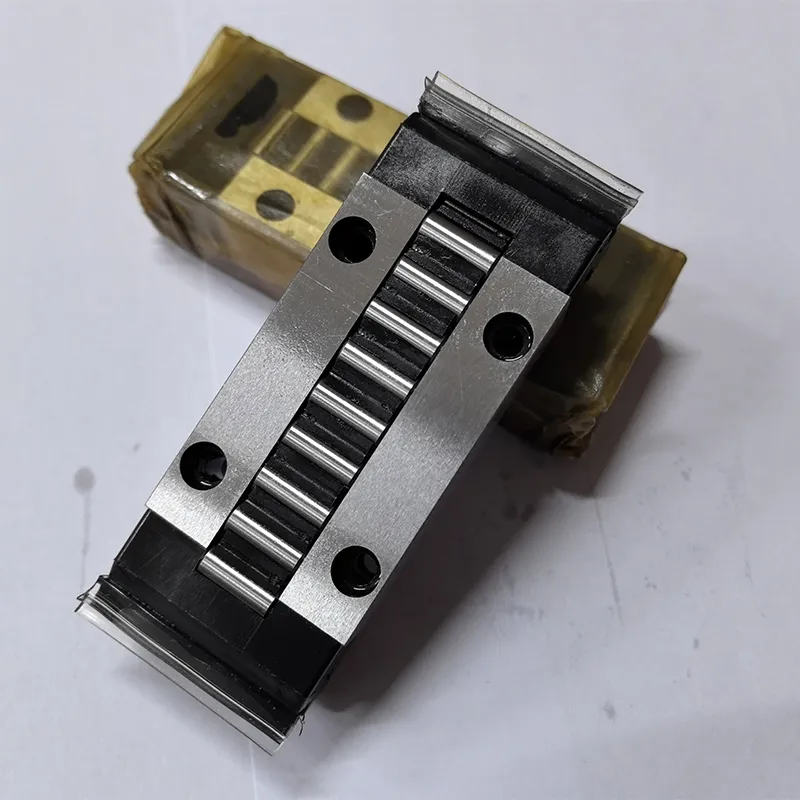
Bearings for linear guides
A linear guide, also known as linear rail, sliding guide and linear guide rail, is a device used to guide mechanical components in a given direction to achieve high-precision, low-friction linear movement.
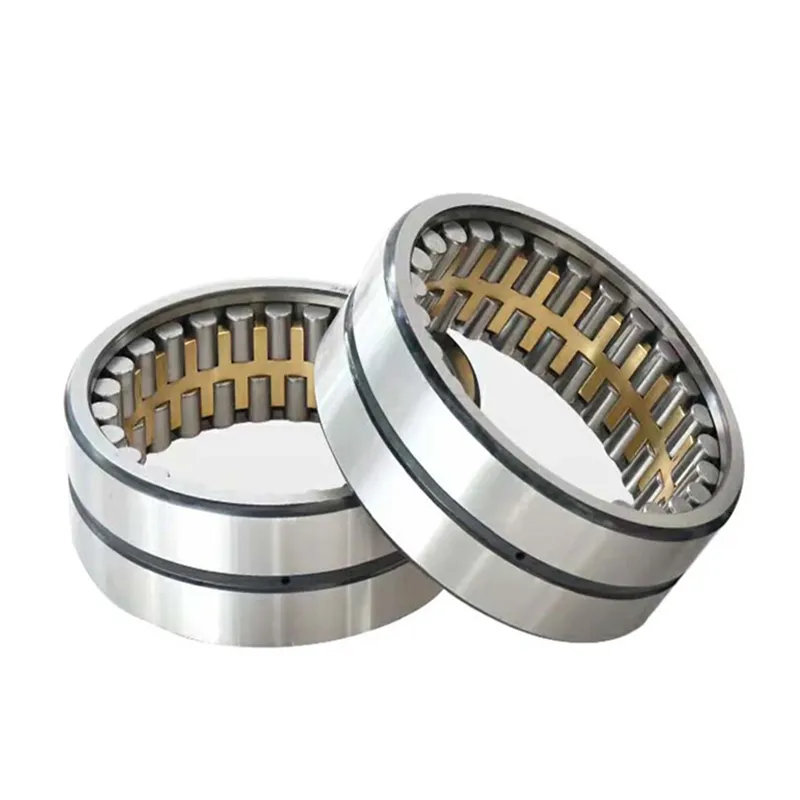
Bearings for metallurgical rolling mills
Roll bearings are another name for metallurgical rolling mill bearings. They are key components designed to support the mill rolls and keep them in the correct position in the stand. Roll bearings are mainly divided into plain bearings and rolling bearings, and must have the characteristics of low friction, high strength and moderate rigidity.
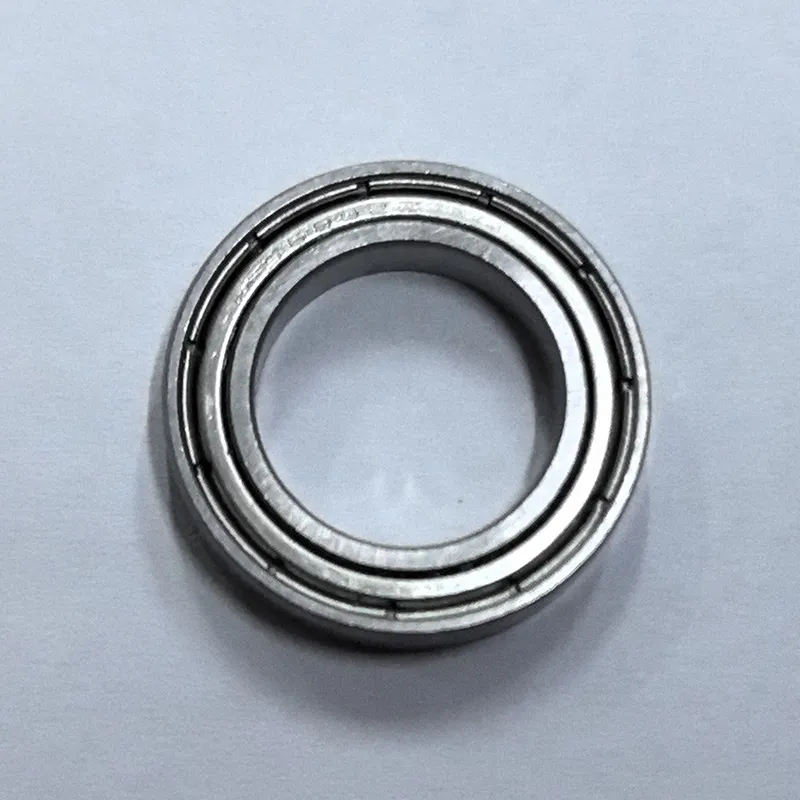
High speed corrosion resistant bearings
High-speed bearings are rolling bearings whose Dmn value exceeds 1.0×10⁶ mm·rpm. Their performance characteristics are determined by the product of the average diameter Dm and the rotational speed of the inner ring n; They are designed for high precision and high speed applications.
Bearings for agricultural machinery
Bearings for agricultural machinery are the most important basic components of agricultural machinery and are widely used in tractors, balers, combines and other types of agricultural machinery. The precision, performance, service life and reliability of agricultural bearings play a critical role in agricultural machinery.
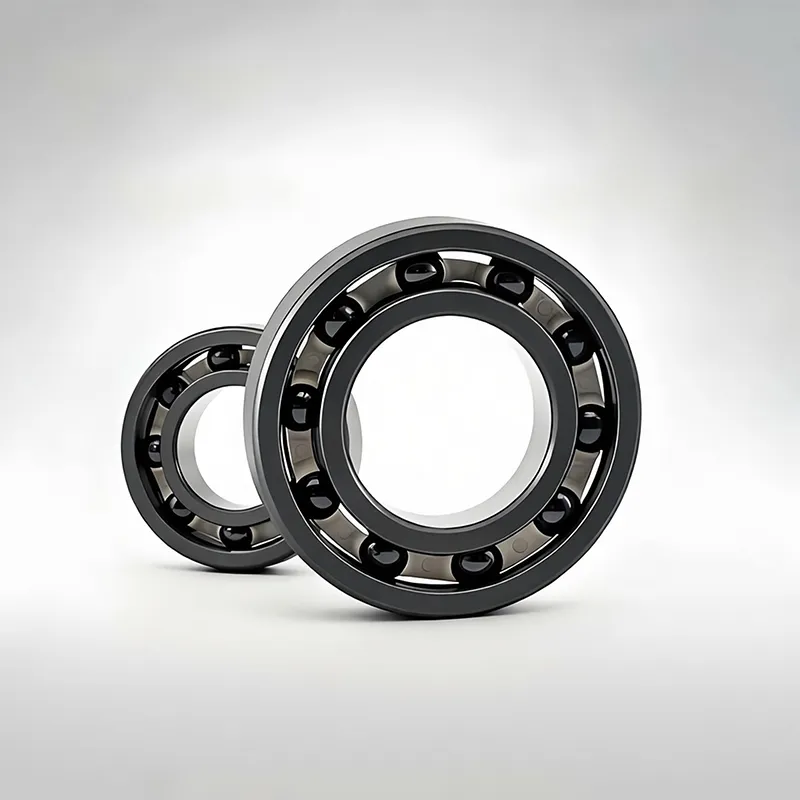
Ceramic bearings with silicon nitride balls
Ceramic ball bearings are industrial bearings in which the rolling elements are ceramic materials. They usually use a combined design of ceramic balls (hot-pressed silicon nitride Si₃N₄ or zirconium dioxide) and metal rings.
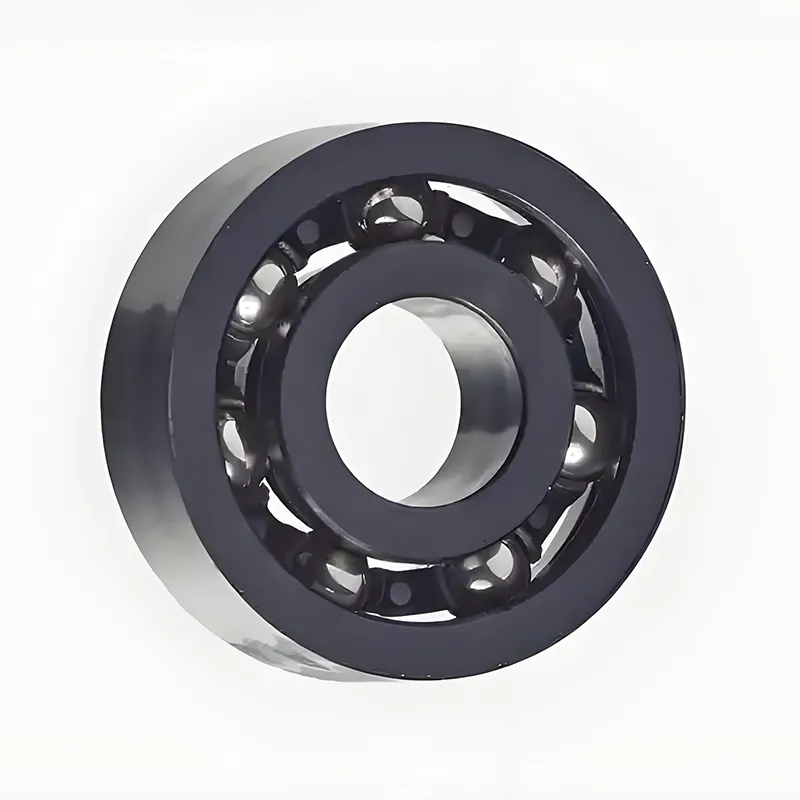
Bearings for UAVs
Bearings used in unmanned aerial vehicles must meet the requirements of lightness, high rotation speed, low friction and corrosion resistance.
Electrically insulated bearings
Electrically insulated bearings use a special spraying process to apply a high-quality coating to the outer surface of the bearing.
Customized bearings
It is possible to manufacture bearings of any models and sizes according to individual customer requirements.
Oilfield bearings
Product range: deep groove ball bearings, cylindrical roller bearings, spherical roller bearings, tapered roller bearings, thrust roller bearings, angular contact ball bearings, thrust ball bearings, oil equipment bearings, railway locomotive bearings, gearbox bearings, hydraulic pump bearings, truck wheel bearings automobiles, rolling mill bearings, split bearings, precision bearings for machine tools, as well as a range of metric and inch precision bearings.
INA brand bearings
Imported bearings are a concept contrasted with Chinese-made bearings. Imported bearings not only provide strong brand support, advanced scientific concepts and innovation, but also perfect after-sales service and strong expansion of product range.
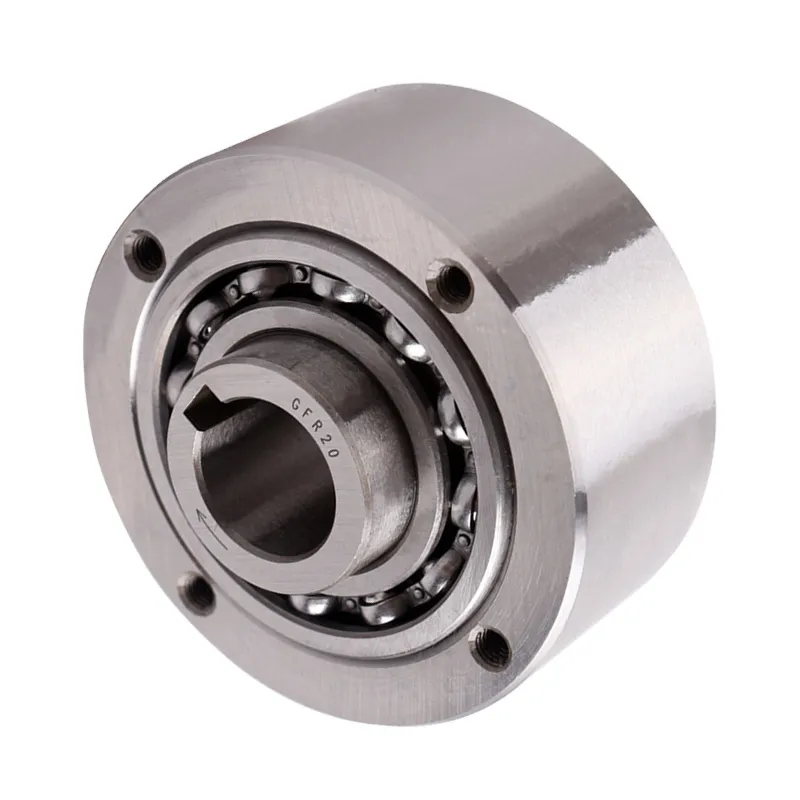
Automotive Bearings - Clutch Release Bearings
A car's clutch release bearing is a key component of a car's transmission. It is installed between the clutch and transmission and, by coordinating the rotational and axial movements of the release levers, ensures smooth engagement and disengagement of the clutch, reduces wear and extends transmission life.