
+86-13073105066
admin@longshubearing.com



Products
-
High speed corrosion resistant bearings
-
Automotive Bearings-Wheel Bearings
-
Automotive bearings-Repair steering gear bearings
-
Stainless steel bearings
-
Mountain bike bearings
-
Customized bearings
-
Oilfield bearings
-
SKF brand bearings
-
Bearings for agricultural machinery
-
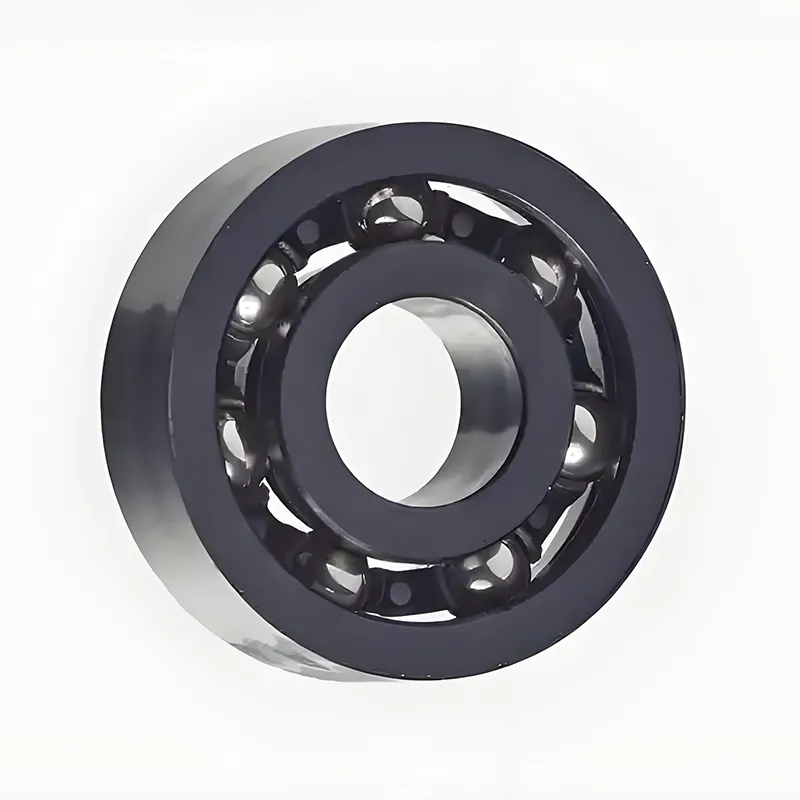
Bearings for UAVs
-
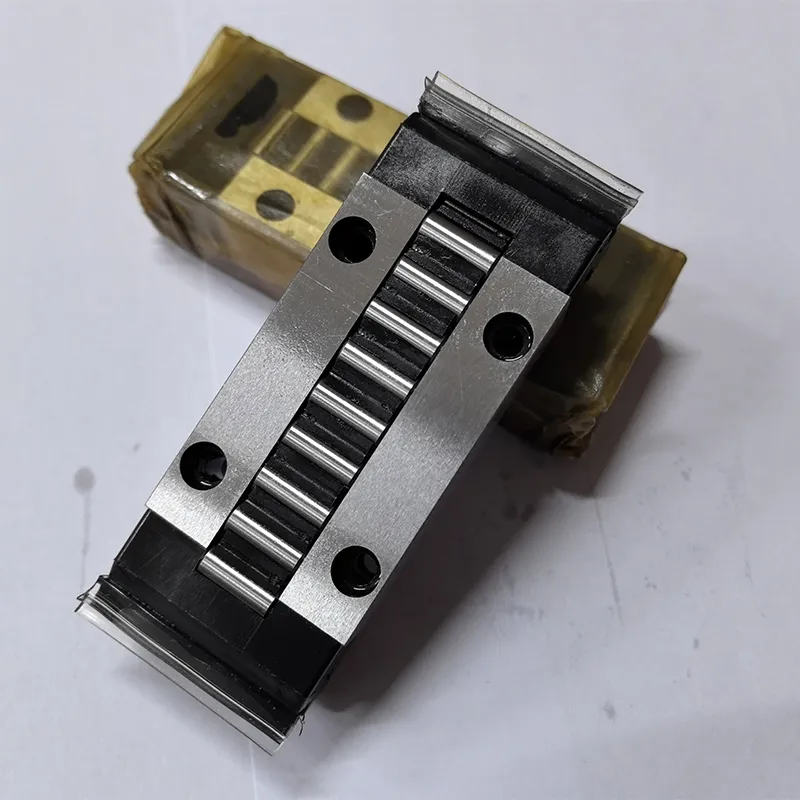
Bearings for linear guides
-
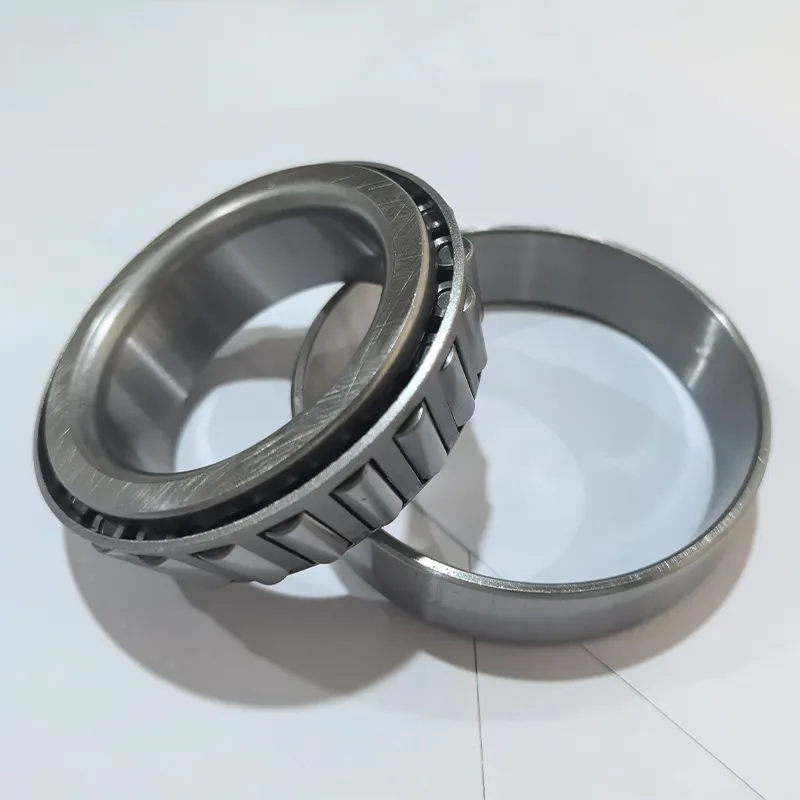
Automotive Bearings-Gearbox Bearings
-
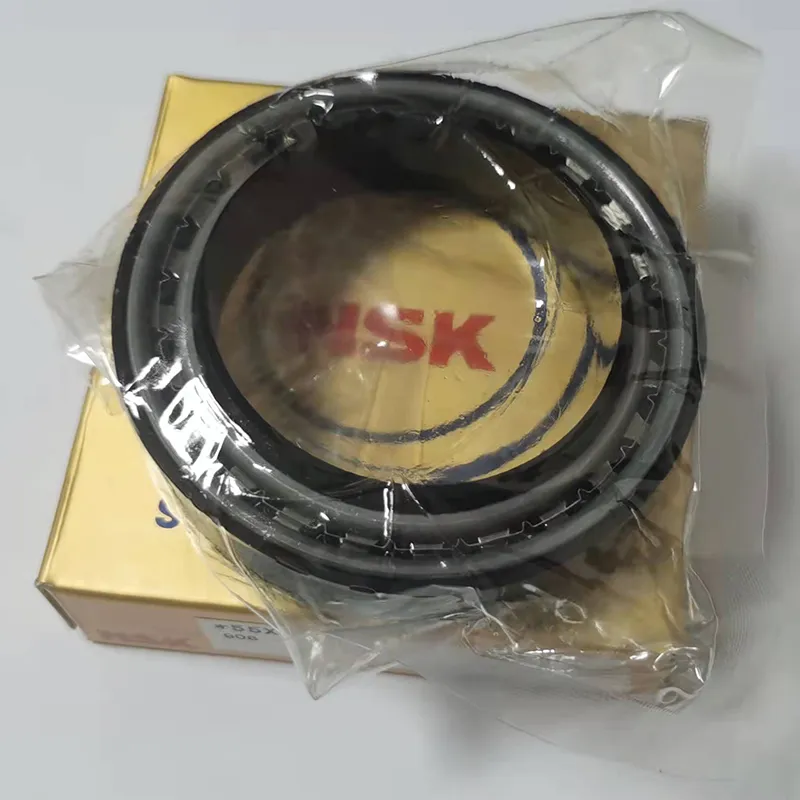
NSK brand bearings
-
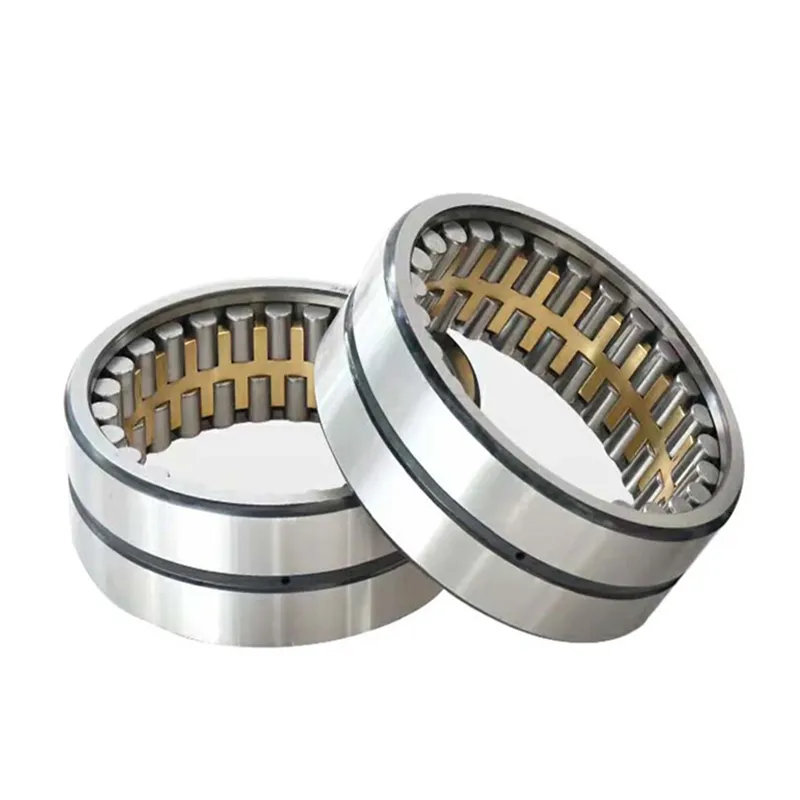
Bearings for metallurgical rolling mills
-
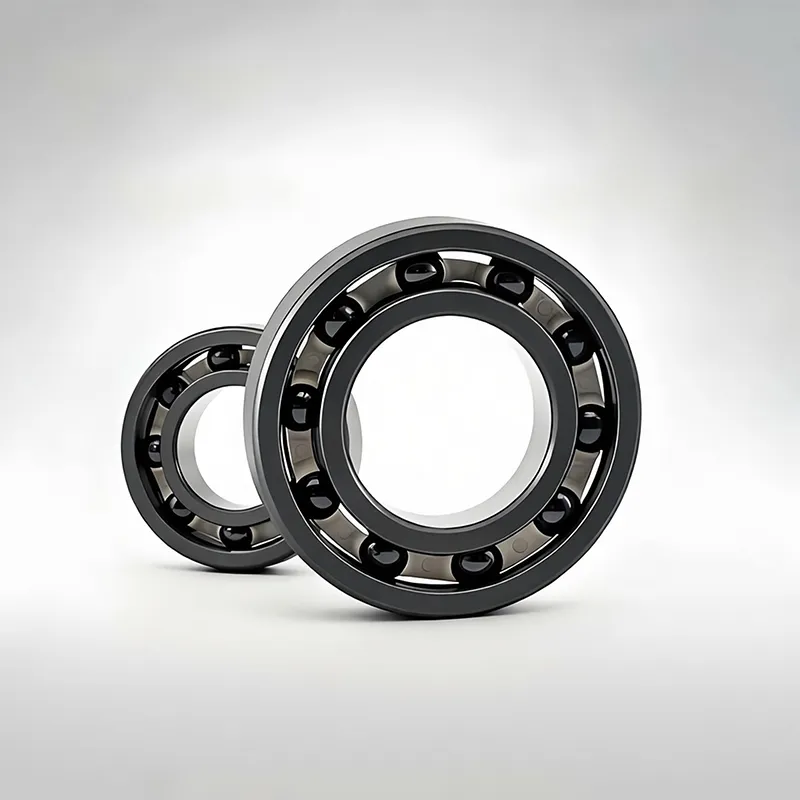
Ceramic bearings with silicon nitride balls
-
INA brand bearings
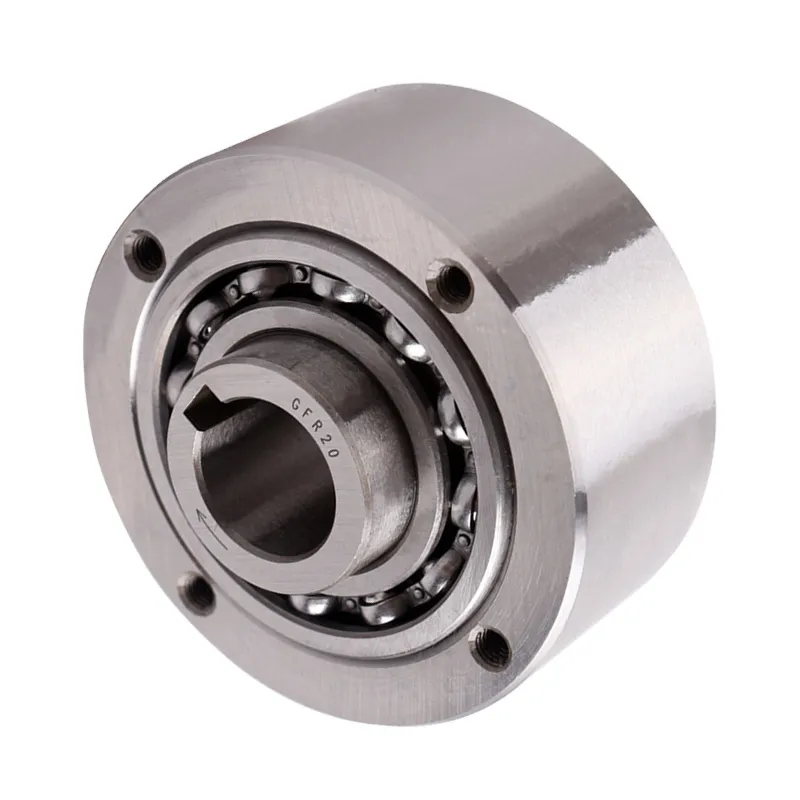
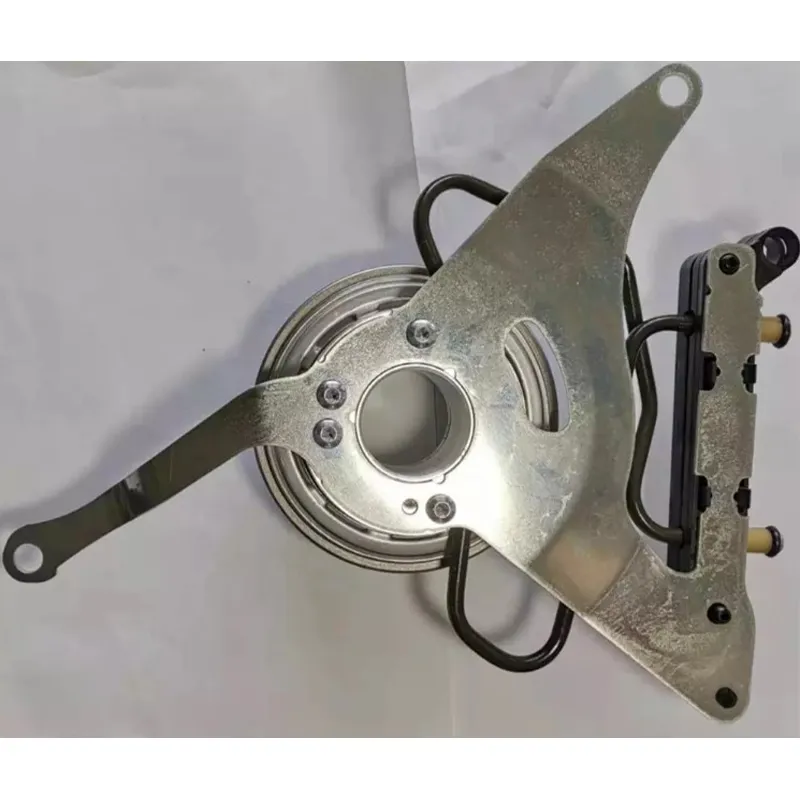
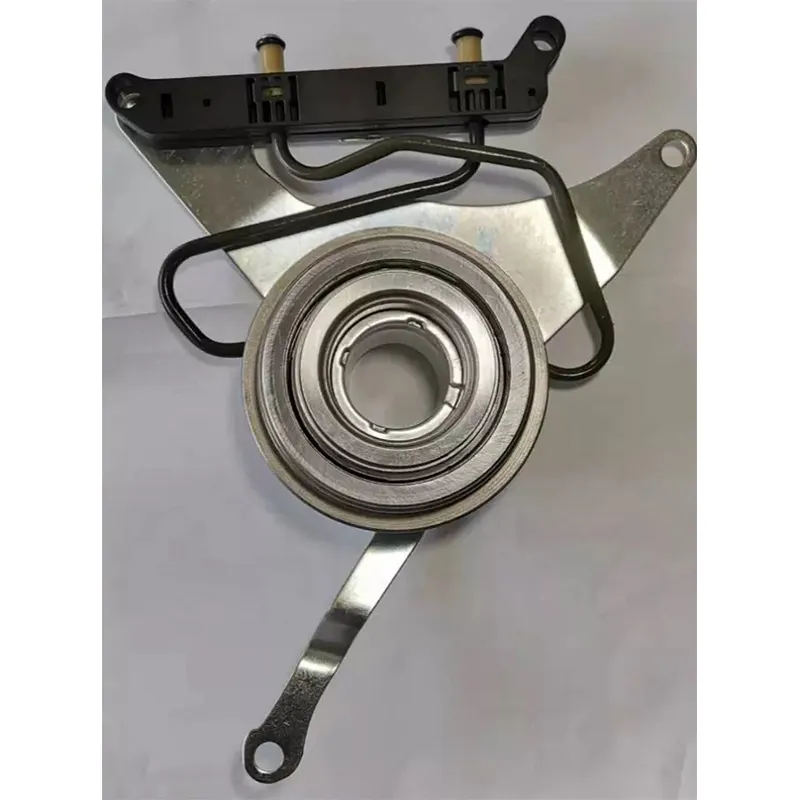
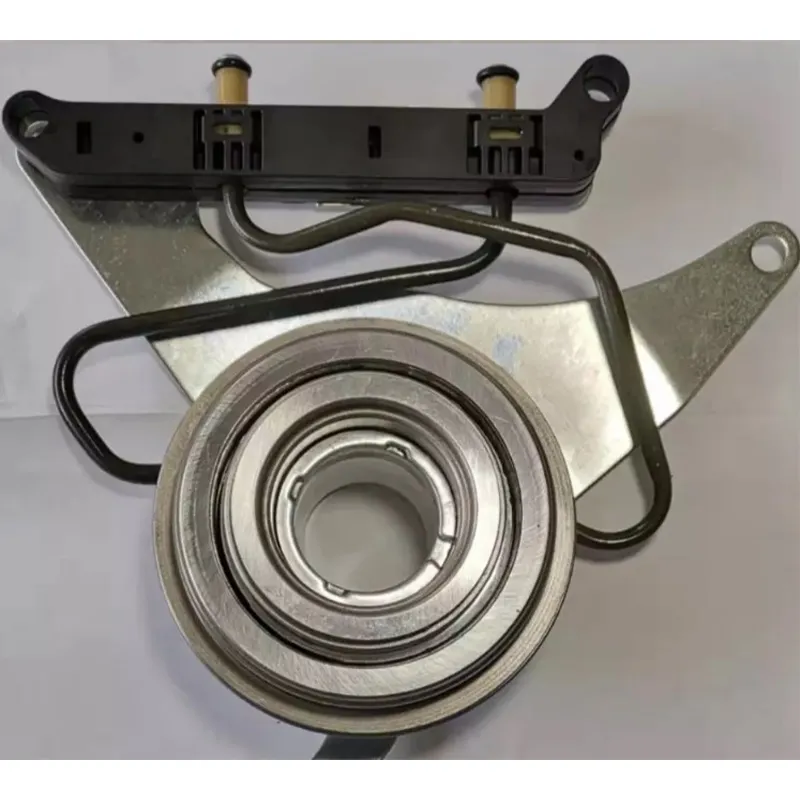
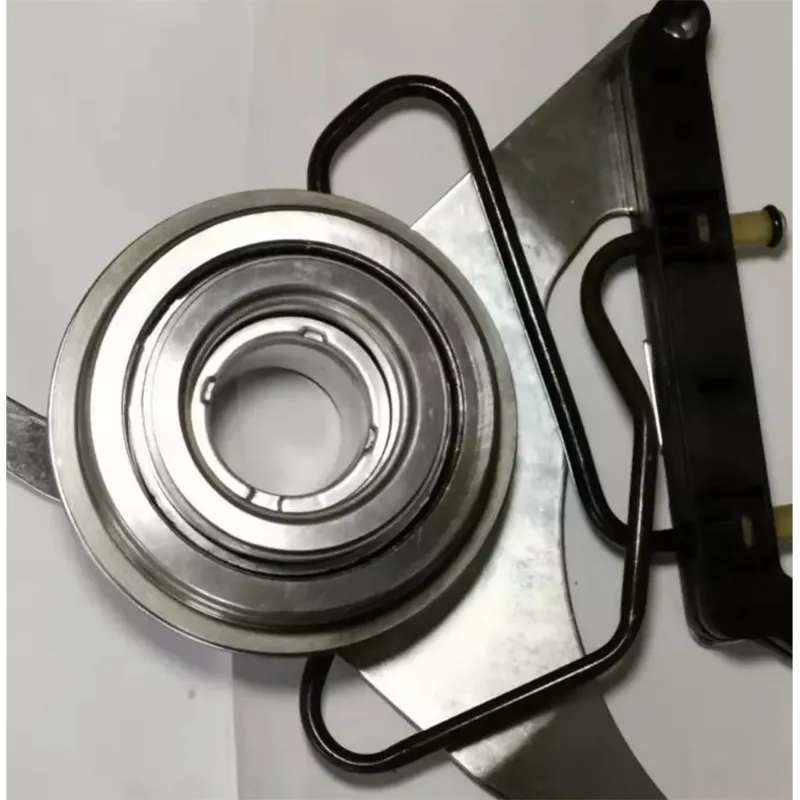
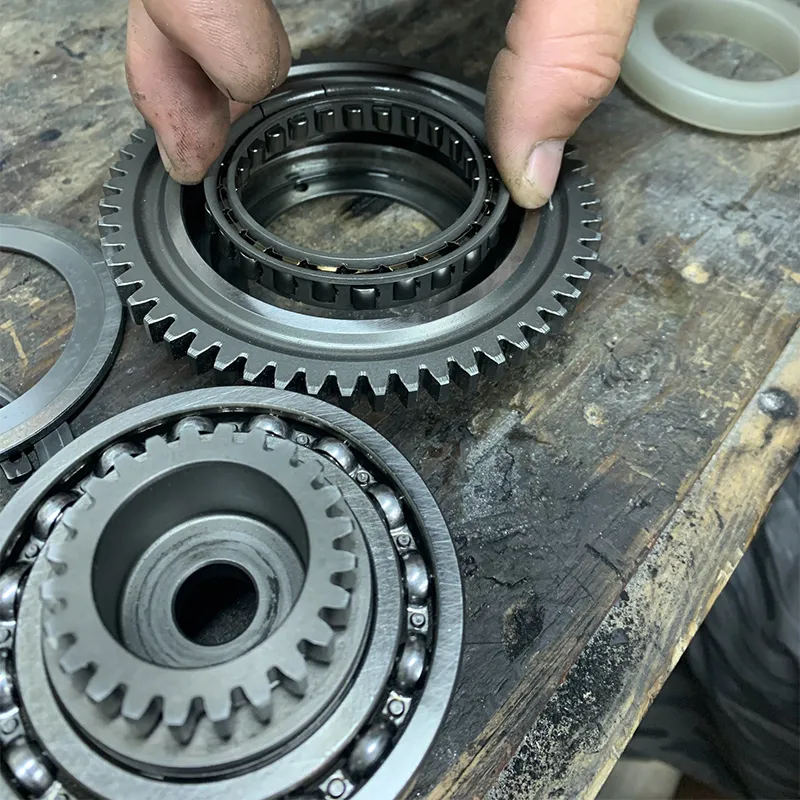
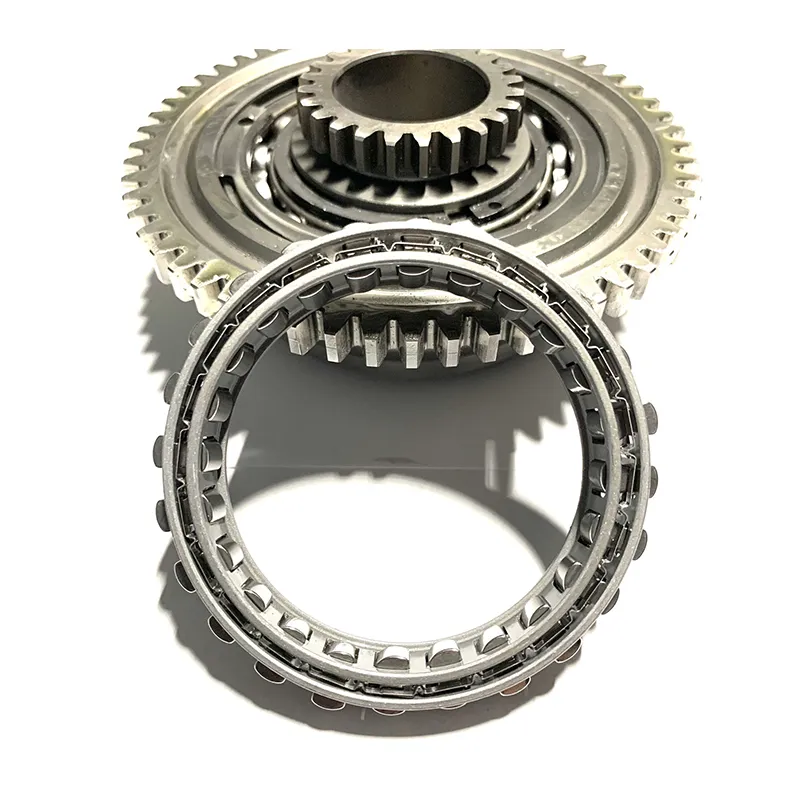
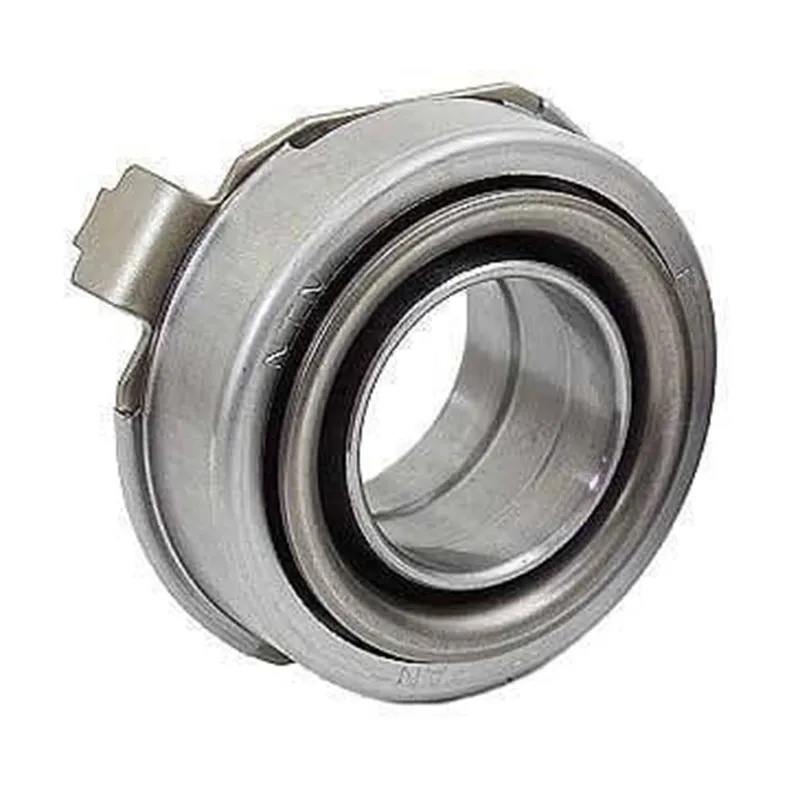
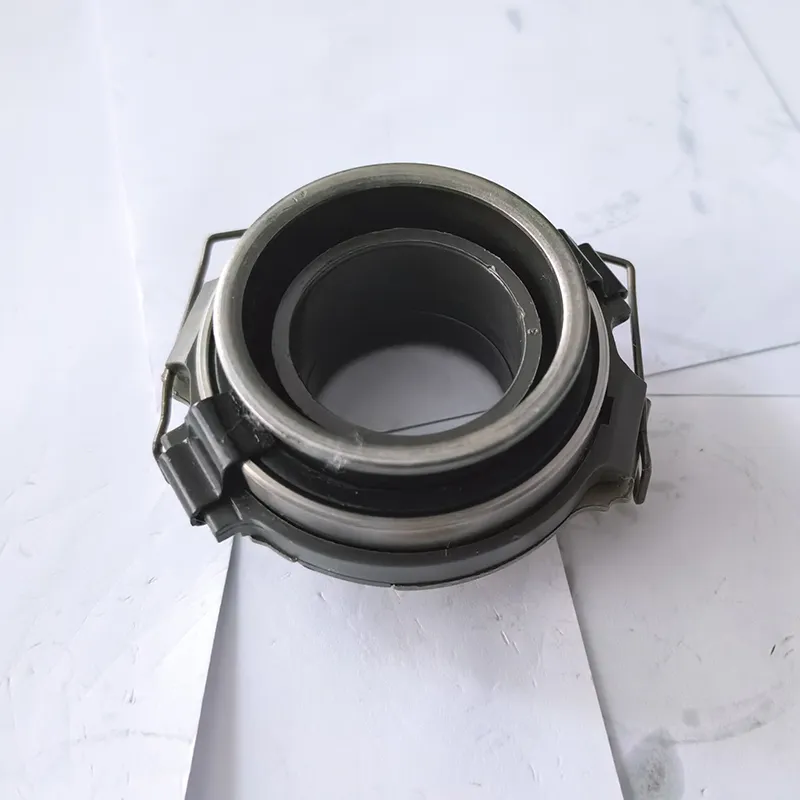
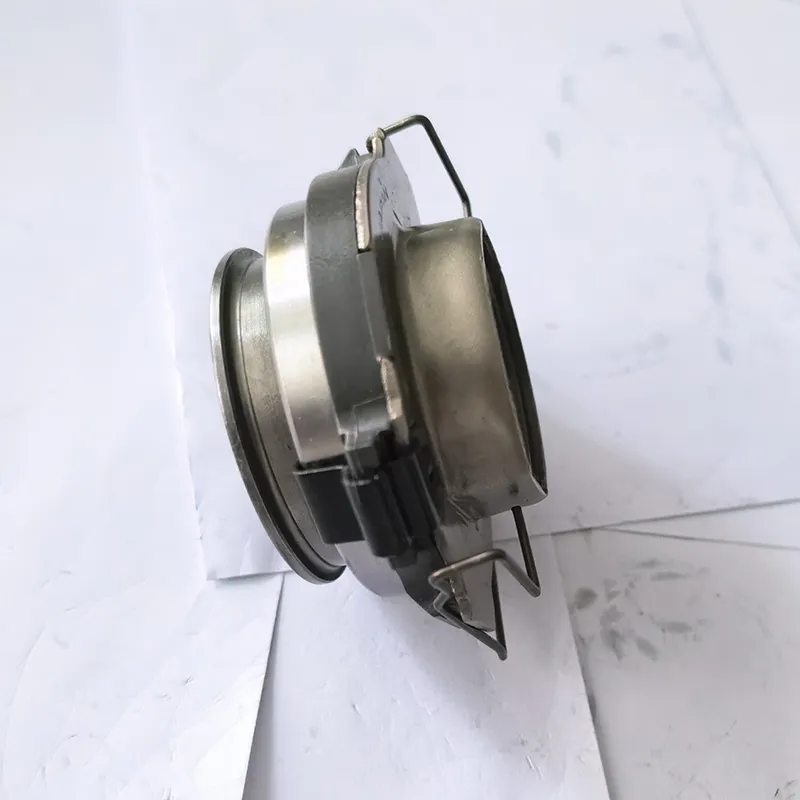
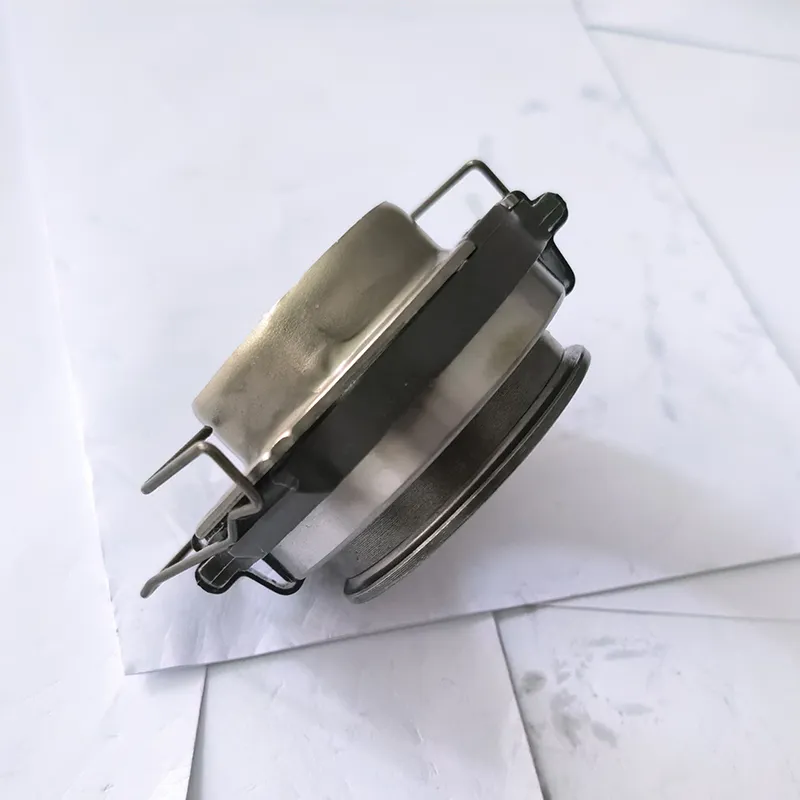
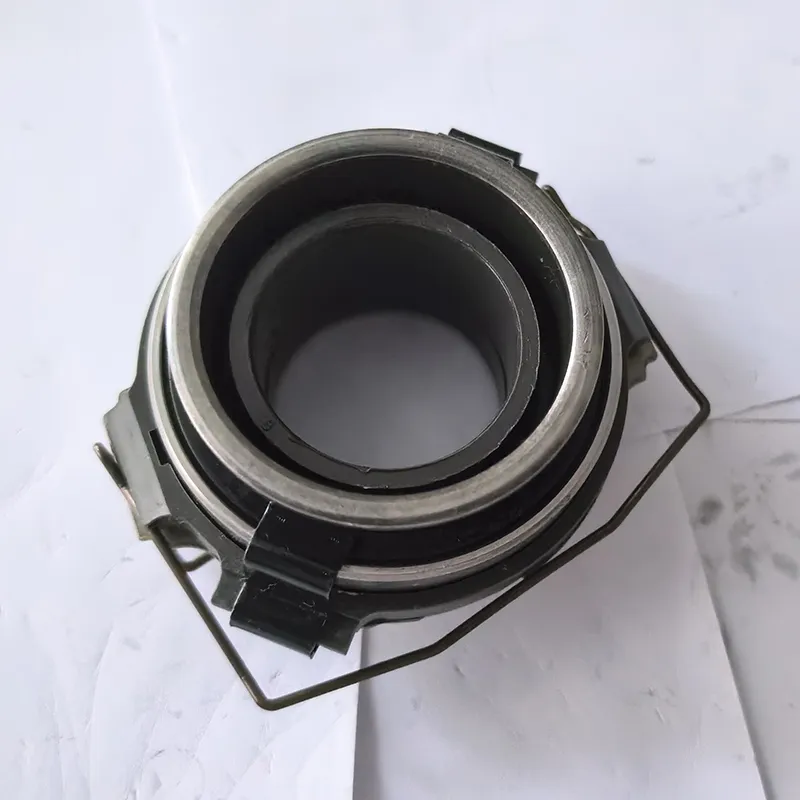
Automotive Bearings - Clutch Release Bearings
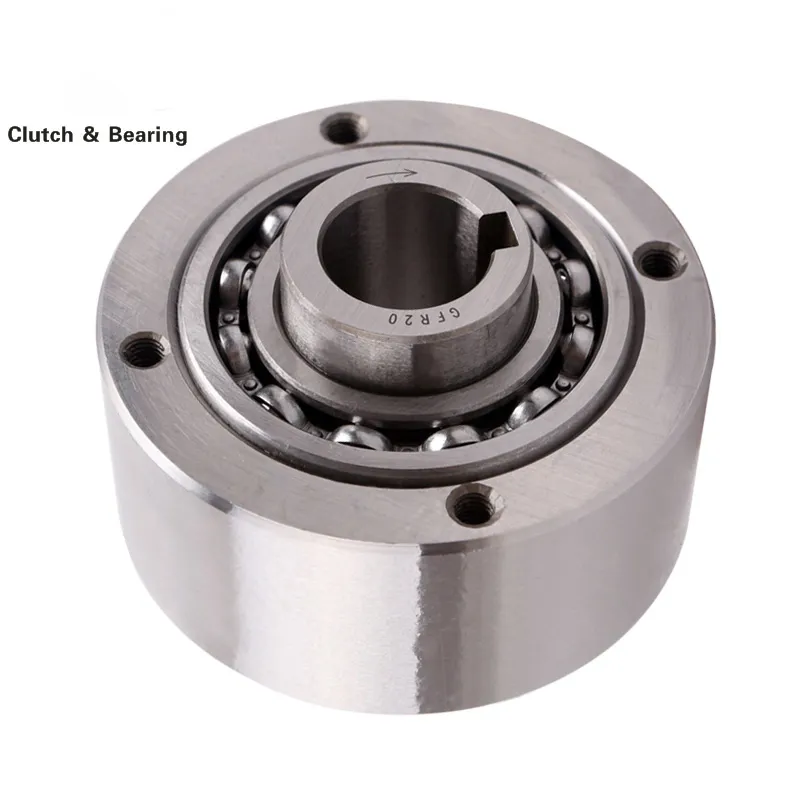
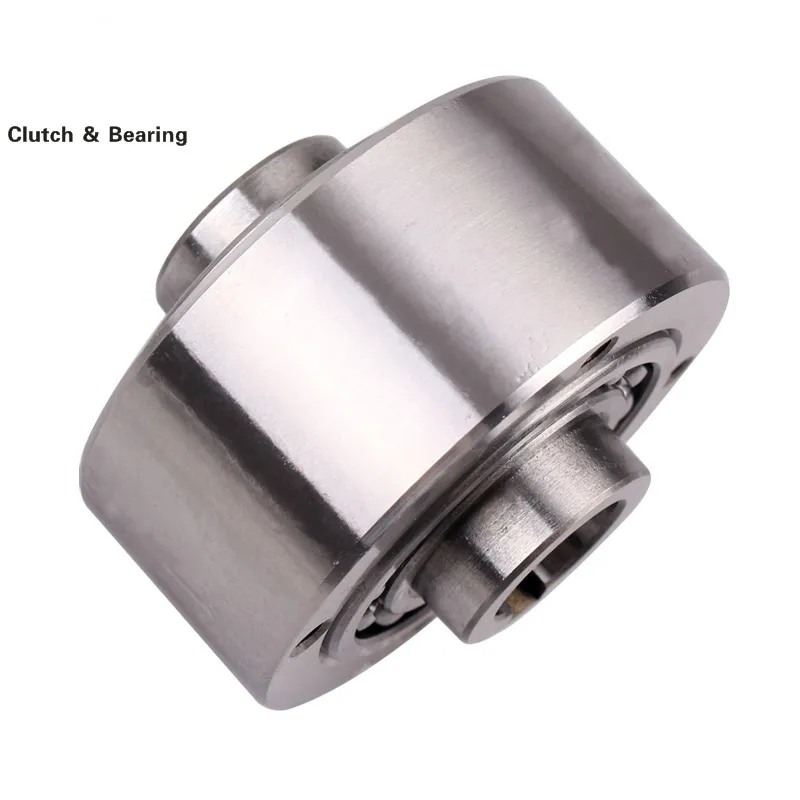
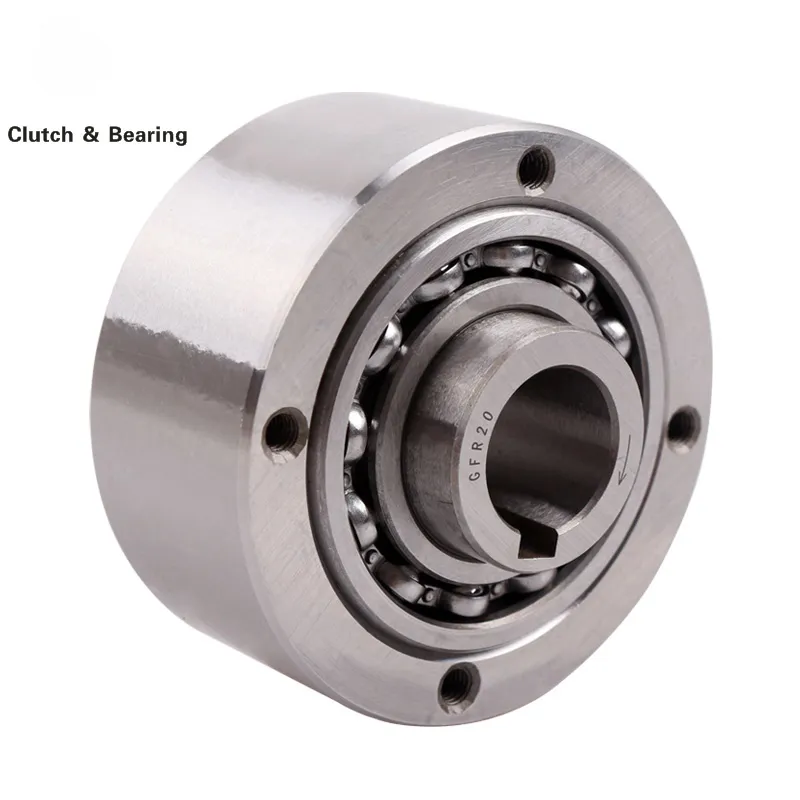
A car's clutch release bearing is a key component of a car's transmission. It is installed between the clutch and transmission and, by coordinating the rotational and axial movements of the release levers, ensures smooth engagement and disengagement of the clutch, reduces wear and extends transmission life.
Description
marker
Product Description
A car's clutch release bearing is a key component of a car's transmission. It is installed between the clutch and transmission and, by coordinating the rotational and axial movements of the release levers, ensures smooth engagement and disengagement of the clutch, reduces wear and extends transmission life. Structurally, the bearing is freely seated on the bearing cap of the gearbox input shaft and, due to the return spring, maintains a gap with the ends of the release levers, which guarantees stable operation.
This bearing must meet the technical standards: axial clearance ≤ 0.60 mm, wear of the inner ring ≤ 0.30 mm. Malfunctions usually manifest themselves in the form of unusual noises or binding and are mainly caused by insufficient lubrication, frequent operation of the clutch half-depressed, or incorrect free play adjustment. Maintenance requires periodic lubrication with lithium grease, adjusting the evenness of the release levers and maintaining free play within 30-40 mm.
The bearing consists of an outer ring, an inner ring, rolling elements, a cage and contact surfaces. Chromium steel, stainless steel or special high-quality bearing steels are used. Modern designs often use angular contact ball bearings and raceways made of high chromium hardened steel. They have self-lubricating, low vibration and automatic self-aligning features. The internal design includes a triple lip seal and high temperature grease. The main function of the bearing is to control the separation or connection of the clutch pressure plate and the flywheel through axial movement, which switches power transmission between the engine and transmission, ensuring smooth traction of the vehicle and gear changes. Its self-aligning design provides smooth on/off control.
The clutch bearing is usually installed between the clutch and the transmission. In normal condition, a certain gap is maintained between it and the release levers (for example, 3–4 mm or about 2.5 mm) to reduce wear. When you press the pedal, the release fork pushes the bearing against the pressure plate, disengaging power transmission; When the pedal is released, the bearing is returned by a spring, restoring the clearance. Typical problems include abnormal noise, burning and premature wear, which are mainly caused by deterioration of the lubricant, improper free play adjustment or deformation of the release levers. Maintenance requires periodic (for example, every 300–500 hours of operation) replenishment of lubricant and avoidance of prolonged operation of the clutch in a half-pressed state. This component is widely used in passenger cars, commercial vehicles and engineering equipment and, according to operating conditions, is divided into ball and roller types.
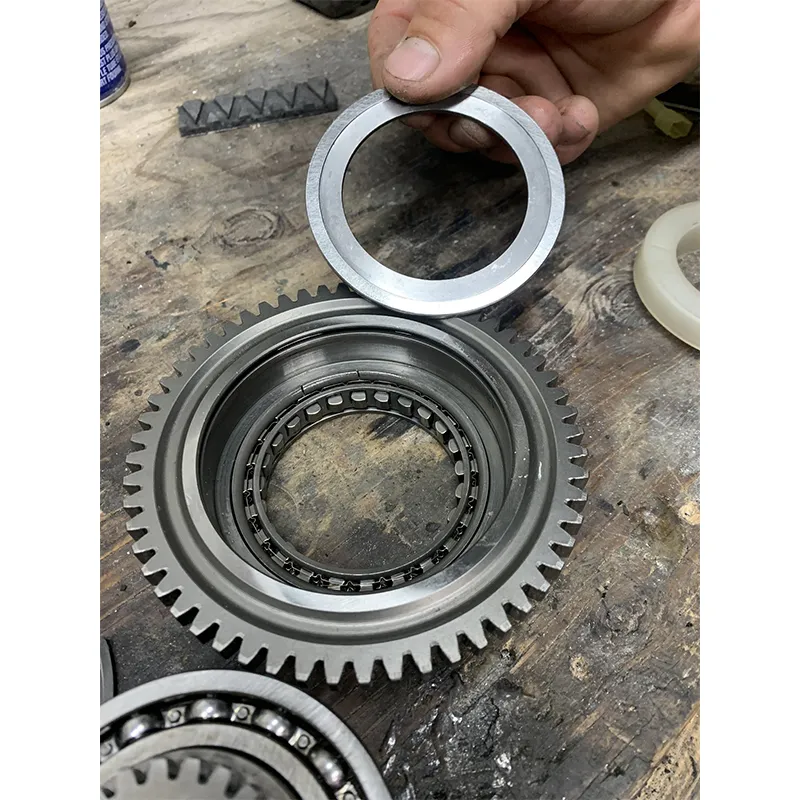
The release bearing requires regular maintenance. After every 300–500 hours of operation, it should be removed, washed in diesel fuel, then placed in molten grease, heated to a liquid state, and kept until completely saturated; After cooling and hardening of the lubricant, the bearing is installed in place. It is also necessary to regularly clean and lubricate the screw bevels of the release cams and bearing caps, and add engine oil into the small oil holes on the release cams. After washing or replacing the clutch bearing, apply an appropriate amount of grease, and when installing, ensure that the side with the dust cover faces the clutch.
To avoid abnormal wear of the release bearing, the driver should avoid operating the clutch in a half-depressed state for a long time or keeping his foot on the clutch pedal for a long time while driving. The clutch pedal play should be regularly checked and adjusted to within 30-40mm to ensure proper clearance of approximately 2.5-4mm between the release bearing and the release levers.


contact us
Related Popular Products
SKF brand bearings
Imported bearings are a concept contrasted with Chinese-made bearings. Imported bearings not only provide strong brand support, advanced scientific concepts and innovation, but also perfect after-sales service and strong expansion of product range.
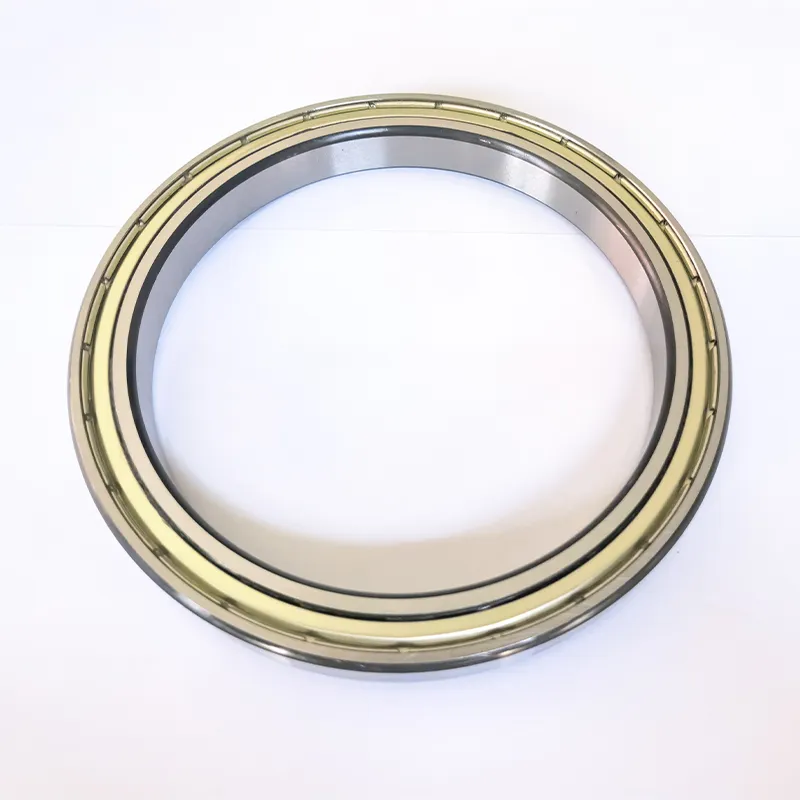
Bearings for robots and manipulators
Robot bearings are key components of industrial robots. They are mainly used in manipulator joints, rotary units and precision rotary tables. Their characteristics directly affect the smooth running, repeatable positioning and operational reliability of the robot.
INA brand bearings
Imported bearings are a concept contrasted with Chinese-made bearings. Imported bearings not only provide strong brand support, advanced scientific concepts and innovation, but also perfect after-sales service and strong expansion of product range.
Automotive Bearings-Gearbox Bearings
Transmission bearings are key mechanical components of an automobile transmission, designed to support rotating shafts and reduce friction. If they are damaged, symptoms such as noise, increased temperature, and extraneous sounds in neutral gear appear, which requires timely repair and replacement.
Oilfield bearings
Product range: deep groove ball bearings, cylindrical roller bearings, spherical roller bearings, tapered roller bearings, thrust roller bearings, angular contact ball bearings, thrust ball bearings, oil equipment bearings, railway locomotive bearings, gearbox bearings, hydraulic pump bearings, truck wheel bearings automobiles, rolling mill bearings, split bearings, precision bearings for machine tools, as well as a range of metric and inch precision bearings.
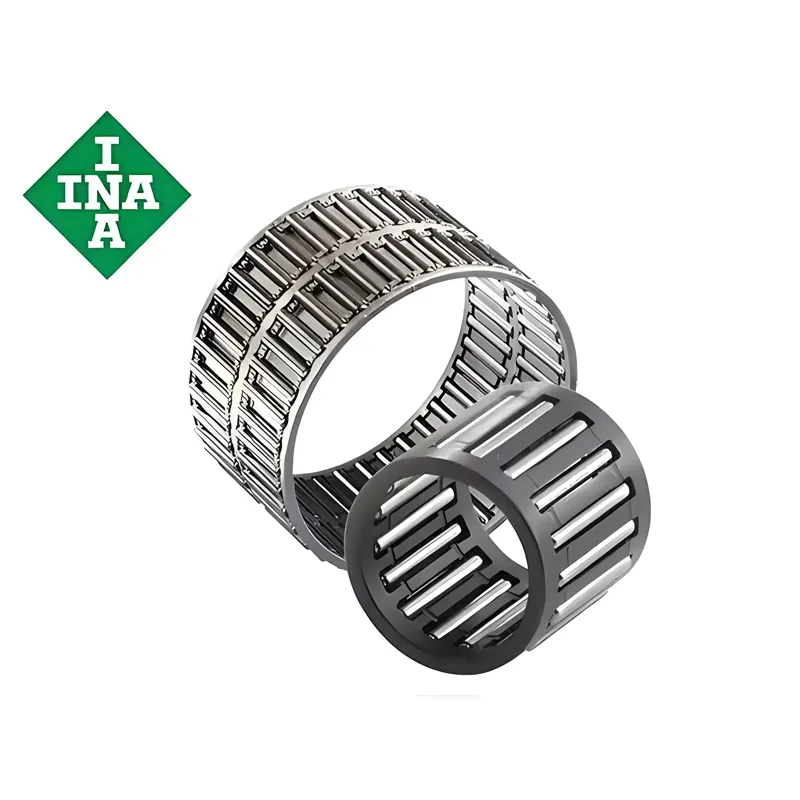
Stainless steel bearings
Compared to conventional bearings, stainless steel bearings have obvious advantages not only in terms of material, but also in terms of technology and precision control: the requirements for them are much stricter than for conventional bearings. During operation, stainless steel bearings operate stably, have low noise, are corrosion resistant, and are widely used.
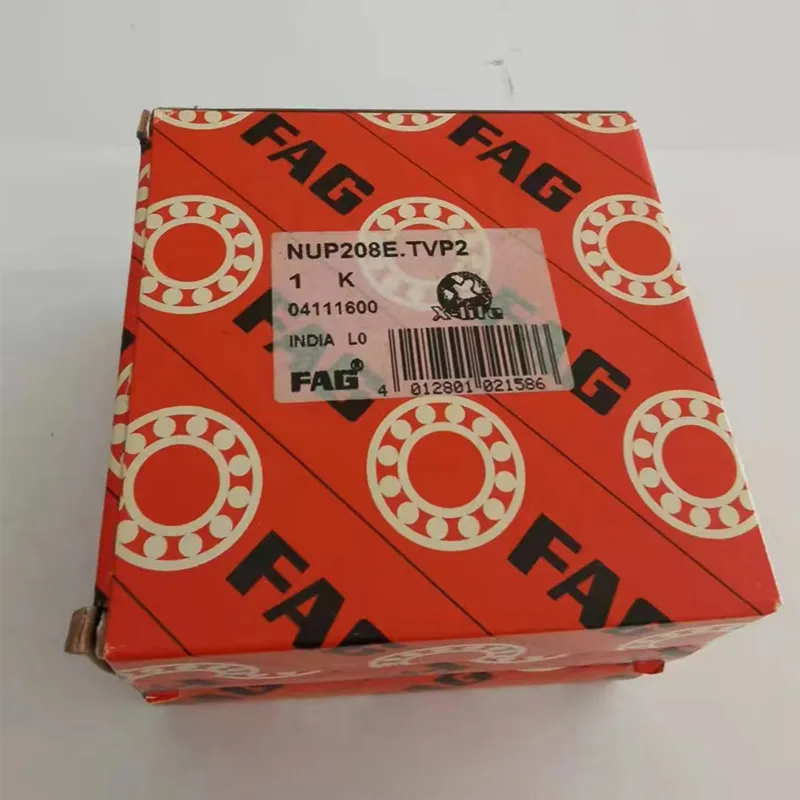
FAG brand bearings
Imported bearings are a concept contrasted with Chinese-made bearings. Imported bearings not only provide strong brand support, advanced scientific concepts and innovation, but also perfect after-sales service and strong expansion of product range.
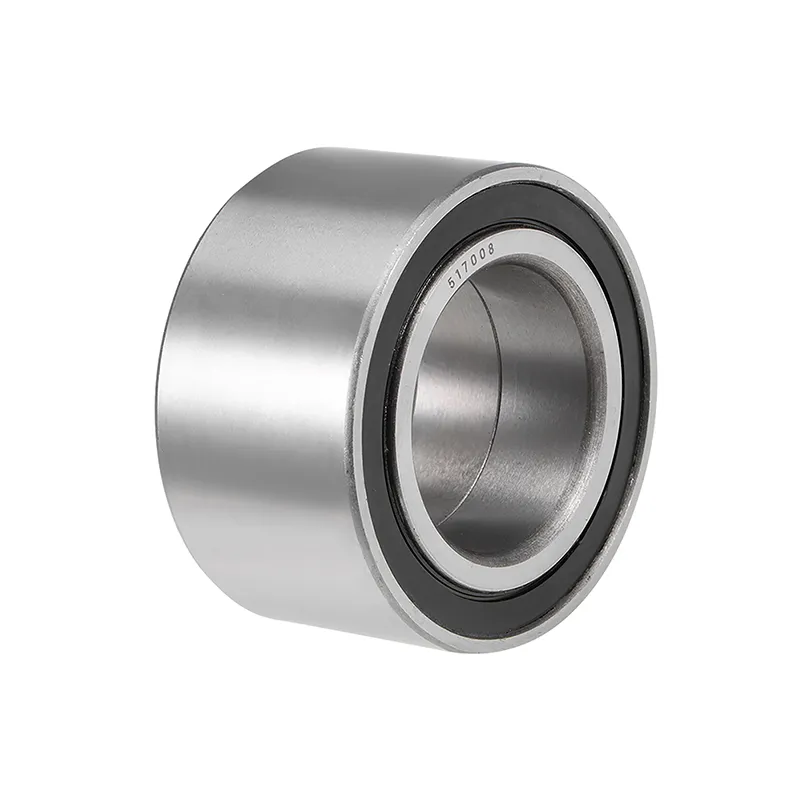
Automotive Bearings-Wheel Bearings
The wheel bearing is one of the key components of a car. Its main function is to carry weight and provide precise direction of rotation of the hub, which requires it to be able to withstand both axial and radial loads.
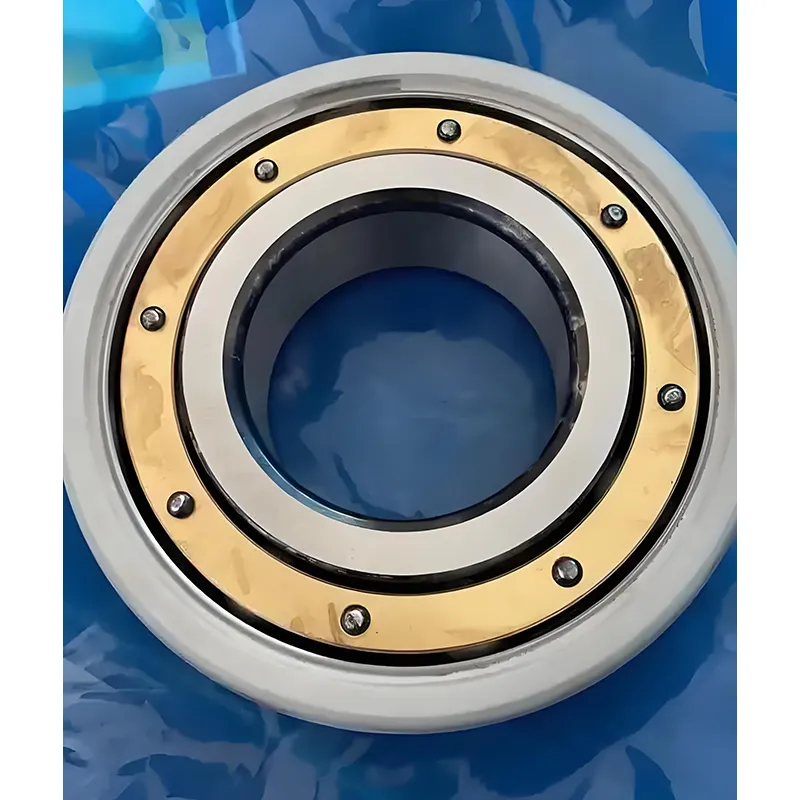
Electrically insulated bearings
Electrically insulated bearings use a special spraying process to apply a high-quality coating to the outer surface of the bearing.
Bearings for agricultural machinery
Bearings for agricultural machinery are the most important basic components of agricultural machinery and are widely used in tractors, balers, combines and other types of agricultural machinery. The precision, performance, service life and reliability of agricultural bearings play a critical role in agricultural machinery.
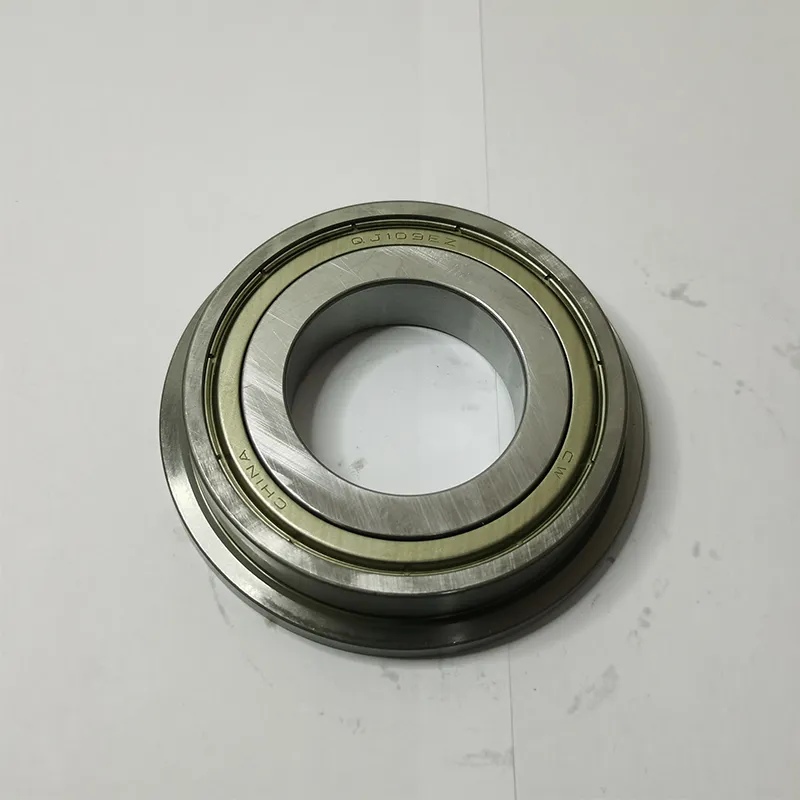
Automotive bearings-Repair steering gear bearings
Steering gear bearing is a key component of the steering system of an automobile, belongs to the category of steering system bearings, mainly used in the internal structure of the steering wheel of motor vehicles, and has the main function of supporting the steering gear.
High speed corrosion resistant bearings
High-speed bearings are rolling bearings whose Dmn value exceeds 1.0×10⁶ mm·rpm. Their performance characteristics are determined by the product of the average diameter Dm and the rotational speed of the inner ring n; They are designed for high precision and high speed applications.
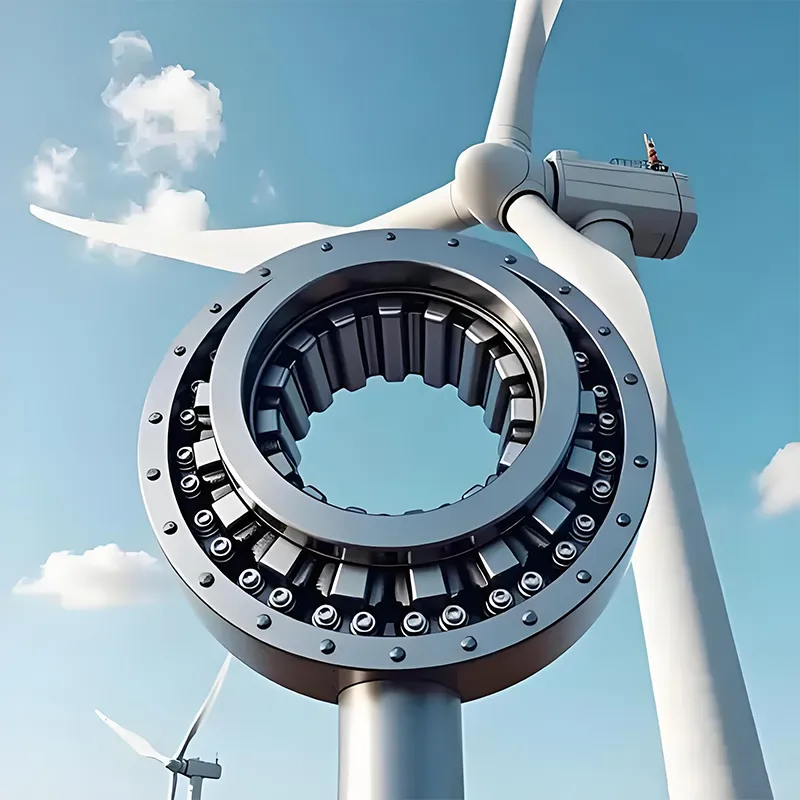
Bearings for wind power
Wind power bearings are key components of wind power plants. Based on their location and function in a wind generator, they are mainly divided into yaw bearings, pitch bearings, main shaft bearings, gearbox bearings and generator bearings.
NSK brand bearings
Imported bearings are a concept contrasted with Chinese-made bearings. Imported bearings not only provide strong brand support, advanced scientific concepts and innovation, but also perfect after-sales service and strong expansion of product range.
Bearings for UAVs
Bearings used in unmanned aerial vehicles must meet the requirements of lightness, high rotation speed, low friction and corrosion resistance.
Ceramic bearings with silicon nitride balls
Ceramic ball bearings are industrial bearings in which the rolling elements are ceramic materials. They usually use a combined design of ceramic balls (hot-pressed silicon nitride Si₃N₄ or zirconium dioxide) and metal rings.